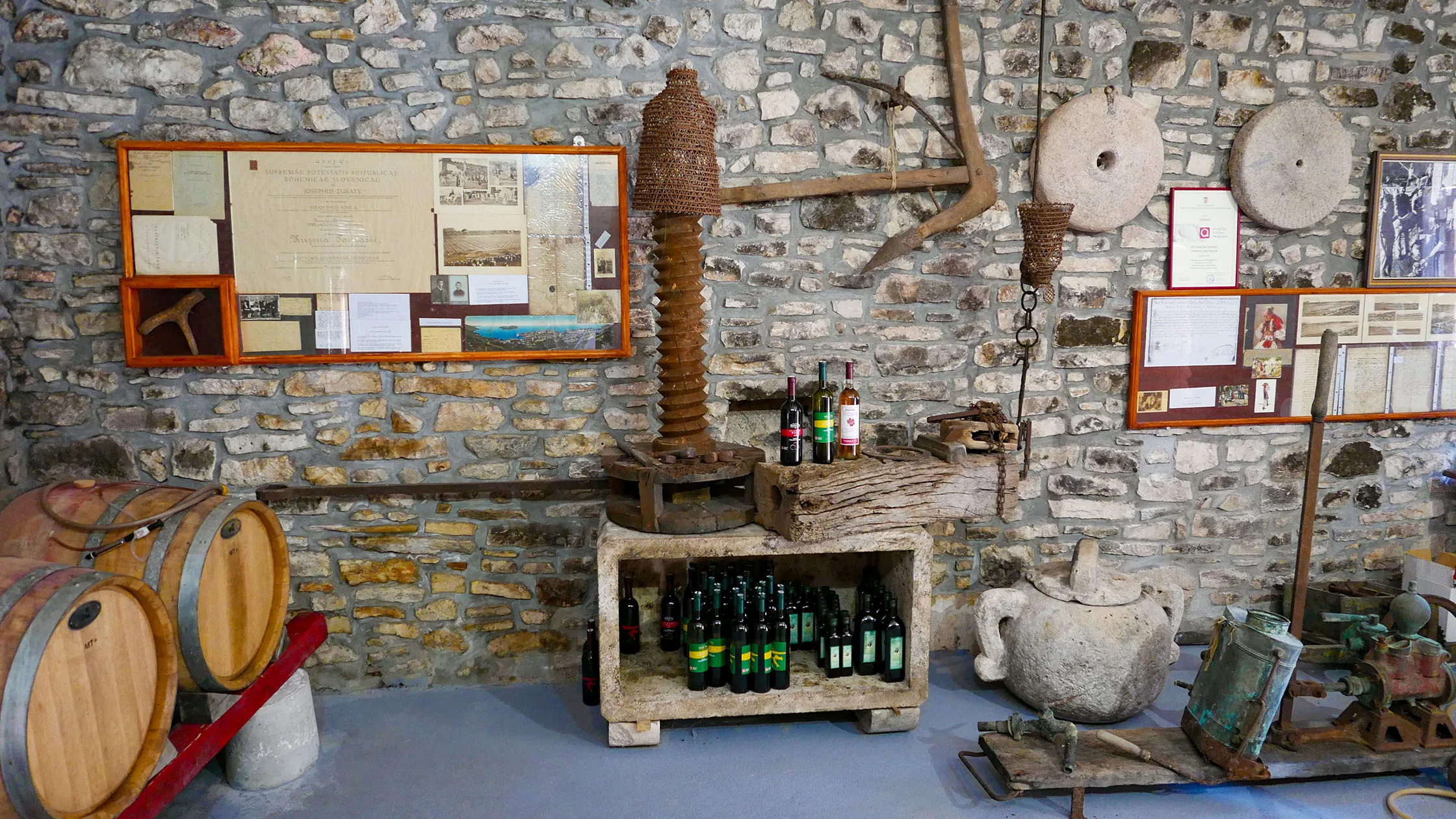
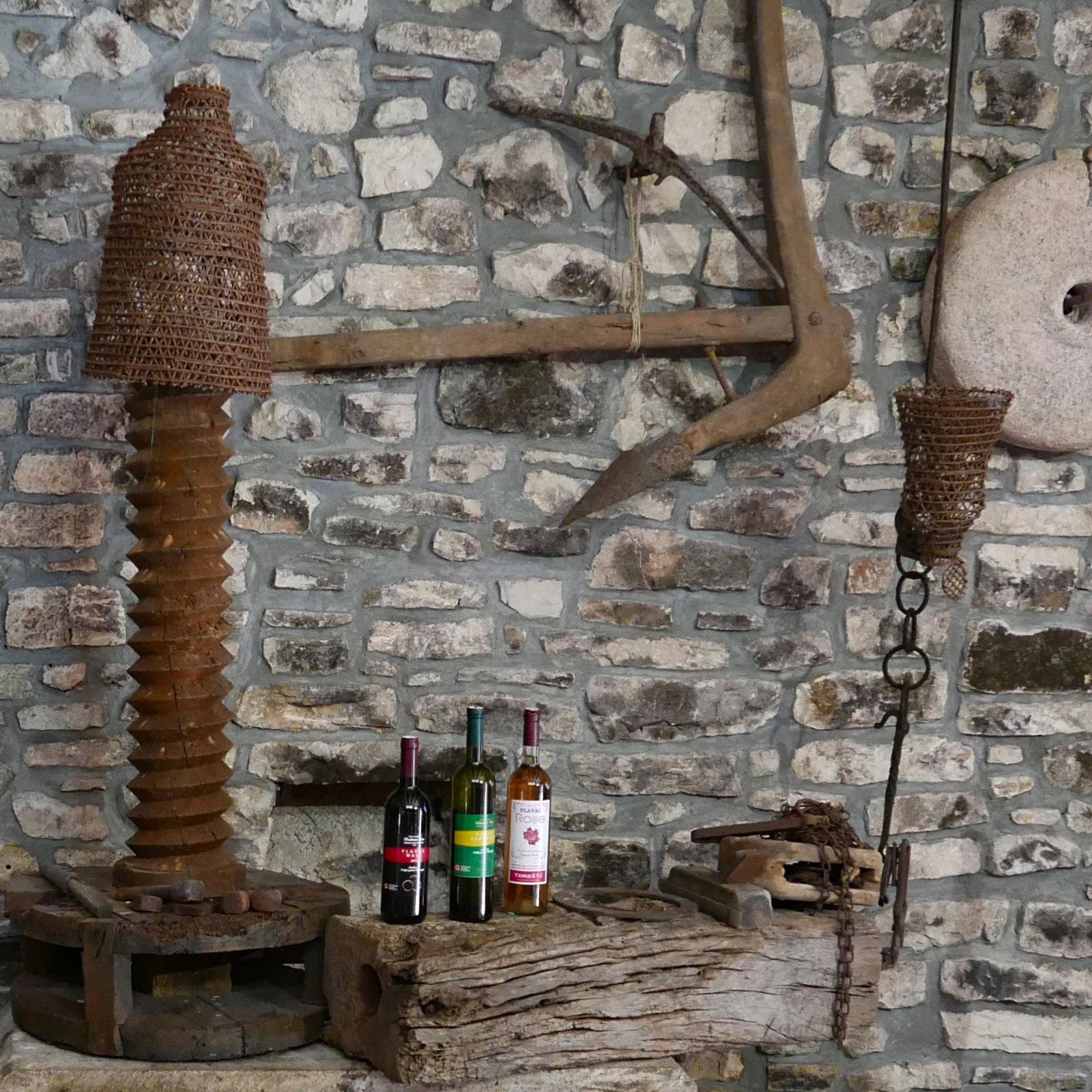
The stone cellar at Smokvica with a wicker press at its centre and documents on the walls
This is the room. I want to write to you about it. the cellar at Smokvica, photographed by Marin, MMXXV
It is the only part of the brand I cannot send you.

I can send you a bottle. The wine travels. The room does not. So I will tell you what is in it, one thing at a time — the press at the centre, the four originals on the wall, the millstones above the second case, the key in the lock. If you would like to see it for yourself you are welcome to come up the outer stairs.

The wicker-wrapped wine press in the cellar — a wooden cone bound in cane with a single great wooden screw
My grandfather turned this.

The wicker-wrapped press. A wooden cone bound in cane, single great wooden screw. Generations of hands turned it; the stains on the cane say what kind of vintages they were. We do not turn it anymore. The new work happens around it — picked into open baskets, moved by gravity, never by pump. The press stays because the room is part of the wine and the press is part of the room.

So is the key.

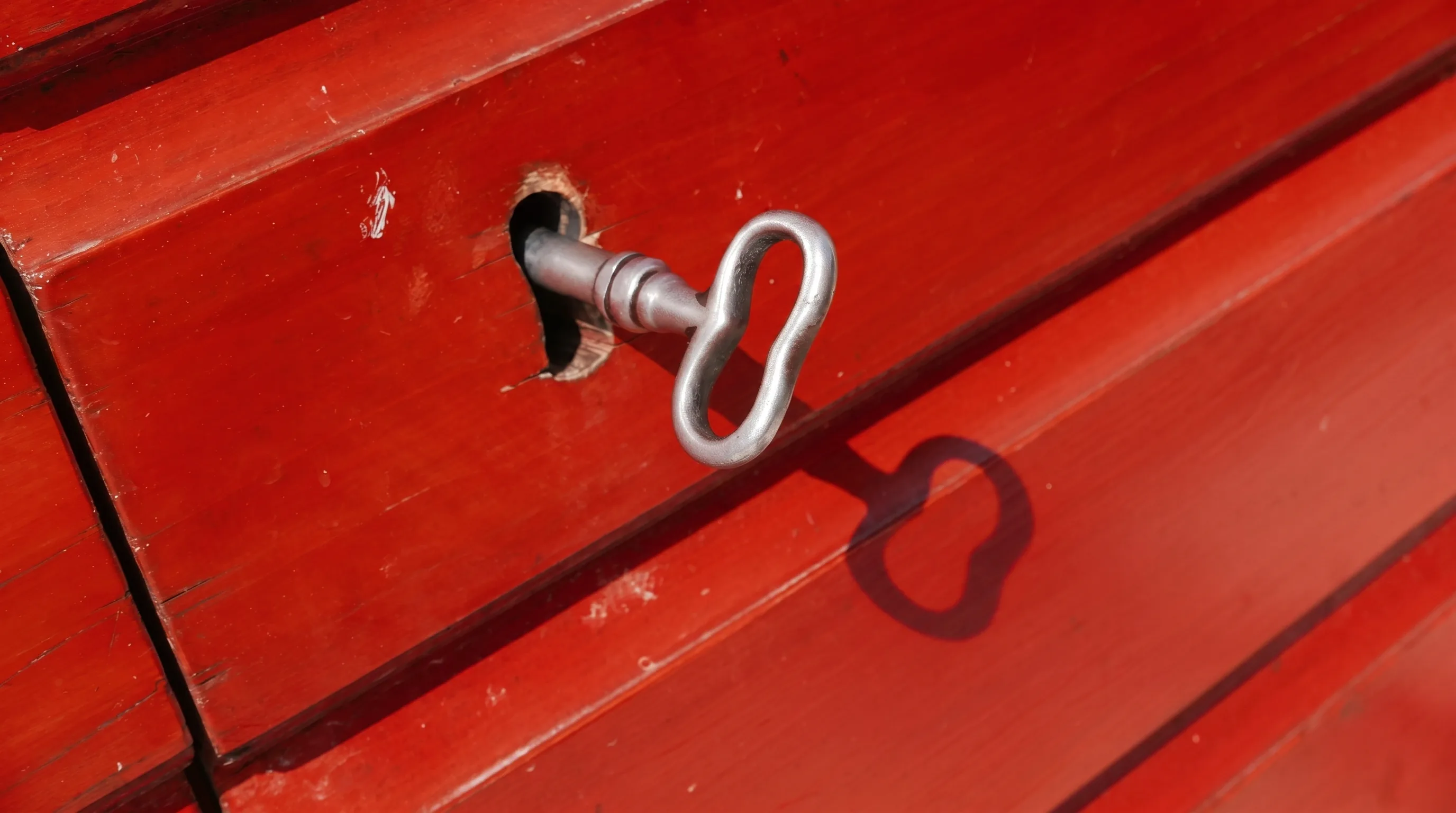
The same iron key has fastened this cellar for generations. Someone traced its worn figure-eight bow, and that tracing is the mark we now print. We did not commission a logo. We drew around the thing that locks the door.
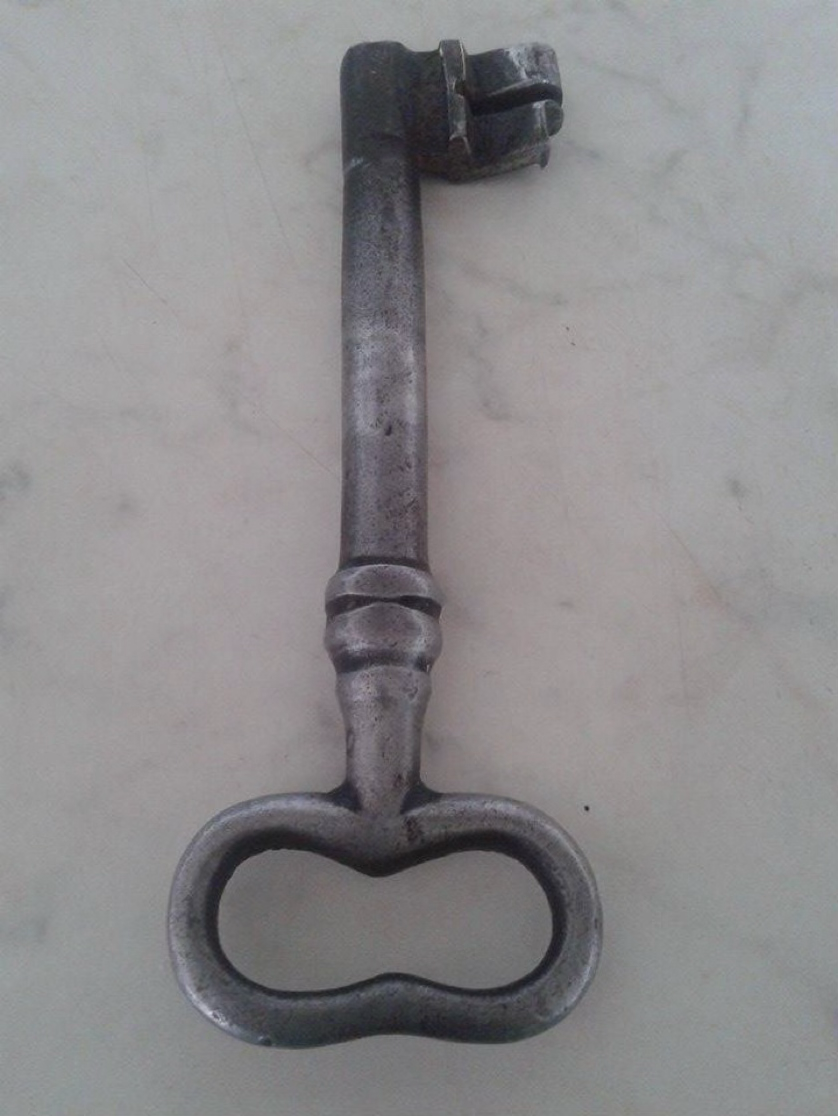
The iron key that opens the cellar door the iron one · opens the door
The Barbazza brand key mark — traced from the iron original the printed one · opens the bottle
The key on the bottle is not a drawing of a key. It is a drawing of this one.
"It is, as far as we know, the only winery mark that still reports for work. Every morning and every night it stops being a logo and works being a key."
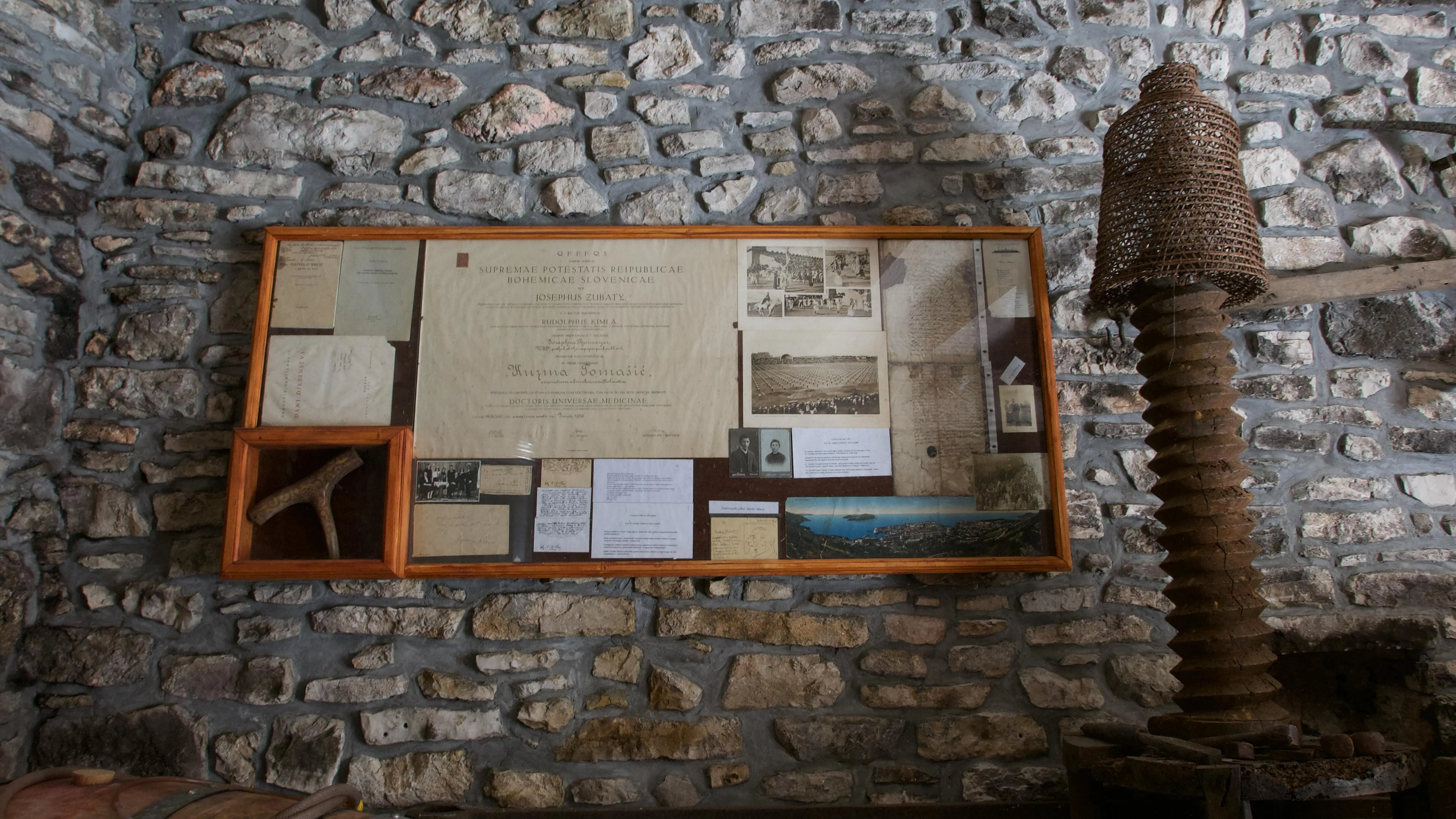
Left wall of the cellar — glazed walnut display case with four original documents behind glass
The four originals. Behind glass.

THE LEFT WALL · THE GLAZED CASE

The Evidence hangs where the Wine is made.

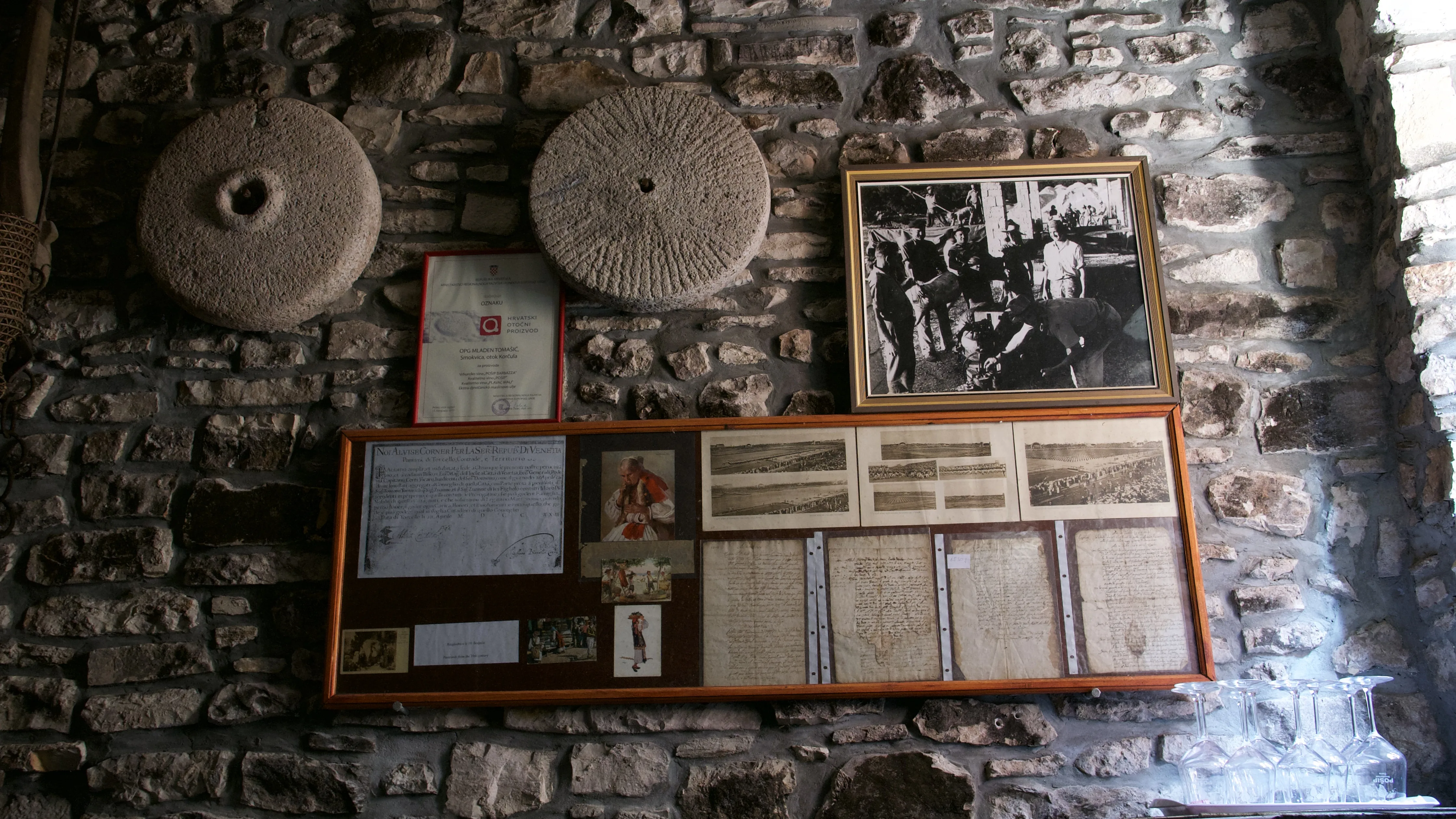
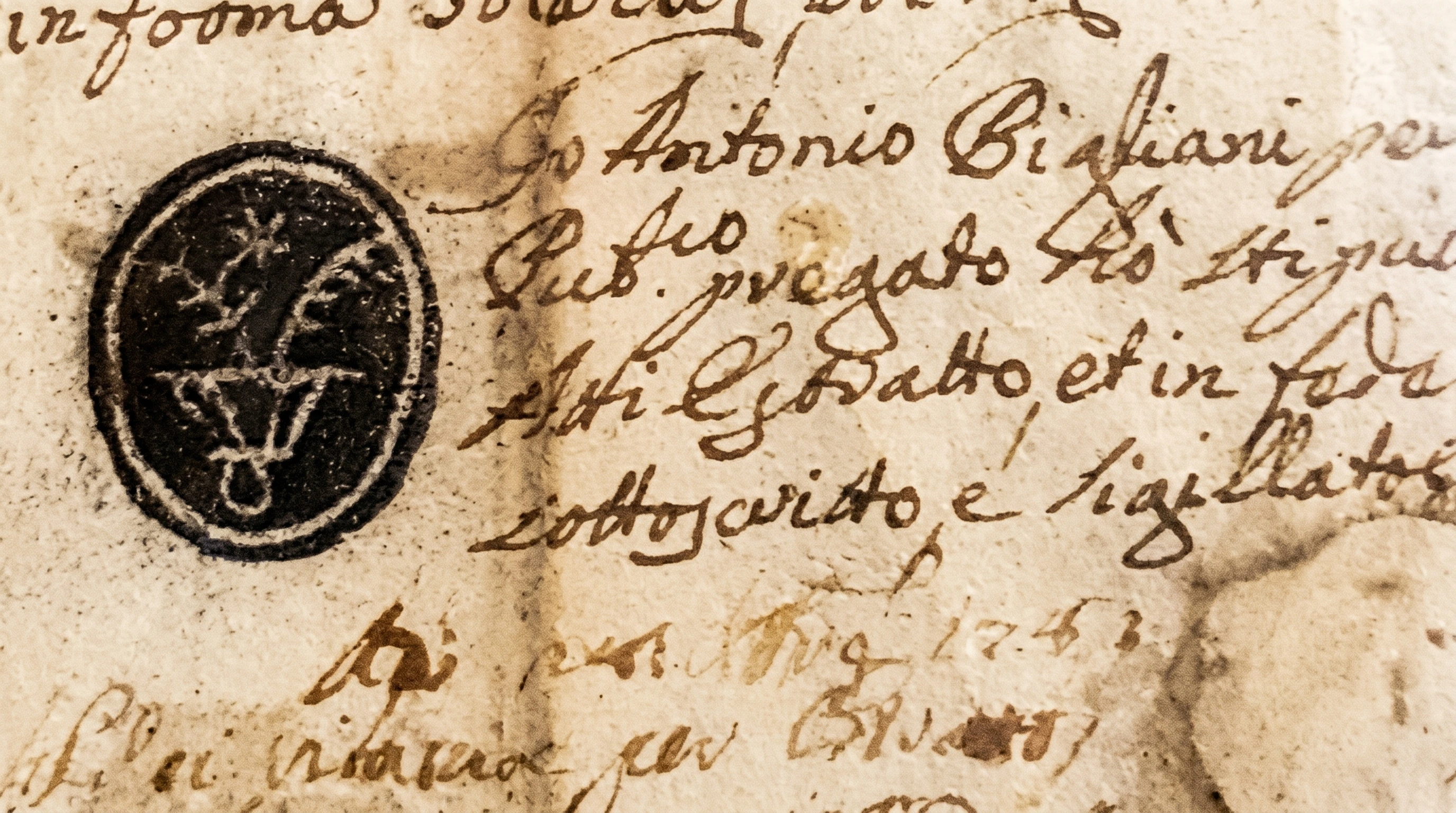
The second board: family papers, the black-and-white photograph of the men who worked these vines before the war, and the Croatian Island Product certificate — the modern paperwork earning its place beside the old. Between the two boards, the millstones: circular olive-mill stones that were grinding on this island millennia before anyone thought to write anything down. In the upper right corner you can see the seal of 1753

Open the full Record →

Left wall · glazed case · four originals

Right wall of the cellar — two ancient olive-mill stones above a black-and-white photograph and a certificate
My great-grandfather worked the mill above this.

THE RIGHT WALL · THE RECORD

The Family Record, hung where it falls to Hand.

A glazed walnut case on the left wall holds the four originals: the deed of 1530 · the Venetian patent of 1723. This is not a copy wall; it is the family's paper, framed where the family hung it, read with a glass in your hand. The label on the bottle is the hand on that 1759 contract. We did not redraw it. We would not know how.

Right wall · two millstones · certificate

our cellar is ready for visitors
station 06 · the making Nothing here moves but by its own Weight. the only page of this letter written top to bottom
Pumps · gravity only

From maceration to vinification, the wine travels by gravity alone — never a pump — so the pressure stays at the lowest point the room can give.

Days on the skins

We crush the skins to start the fermentation and leave the must on them ten to fifteen days, to take everything the year gave.

Wild yeast · the first shift

Very little yeast is added: the wild ones get the first shift.

Malolactic fermentation

Malolactic fermentation brings the acidity to where we want it.

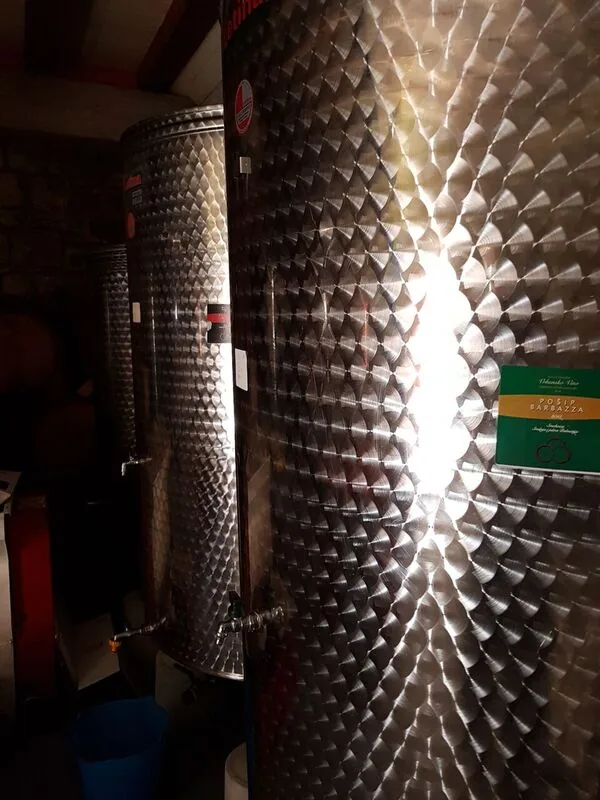
Stainless steel tanks in the cellar, Pošip Barbazza label visible
The Pošip sleeps at fourteen degrees.

THE STEEL · THE POŠIP

The white we found in 1864 gets a different room.

The vinification runs in stainless steel, never warmer than 14 degrees, watched constantly by our enologist — the one concession to modernity. The white grape the family found wild in the Stiniva gorge sleeps here now, in a cold the cellar keeps all year without being asked to; the label on the tank is the label on the bottle. Most of it then goes to bottle and is drunk on Korčula, by the tourists and restaurants of the island. Very little of it escapes — you will have to come here.

Stainless · ≤ 14 °C · Pošip Barbazza

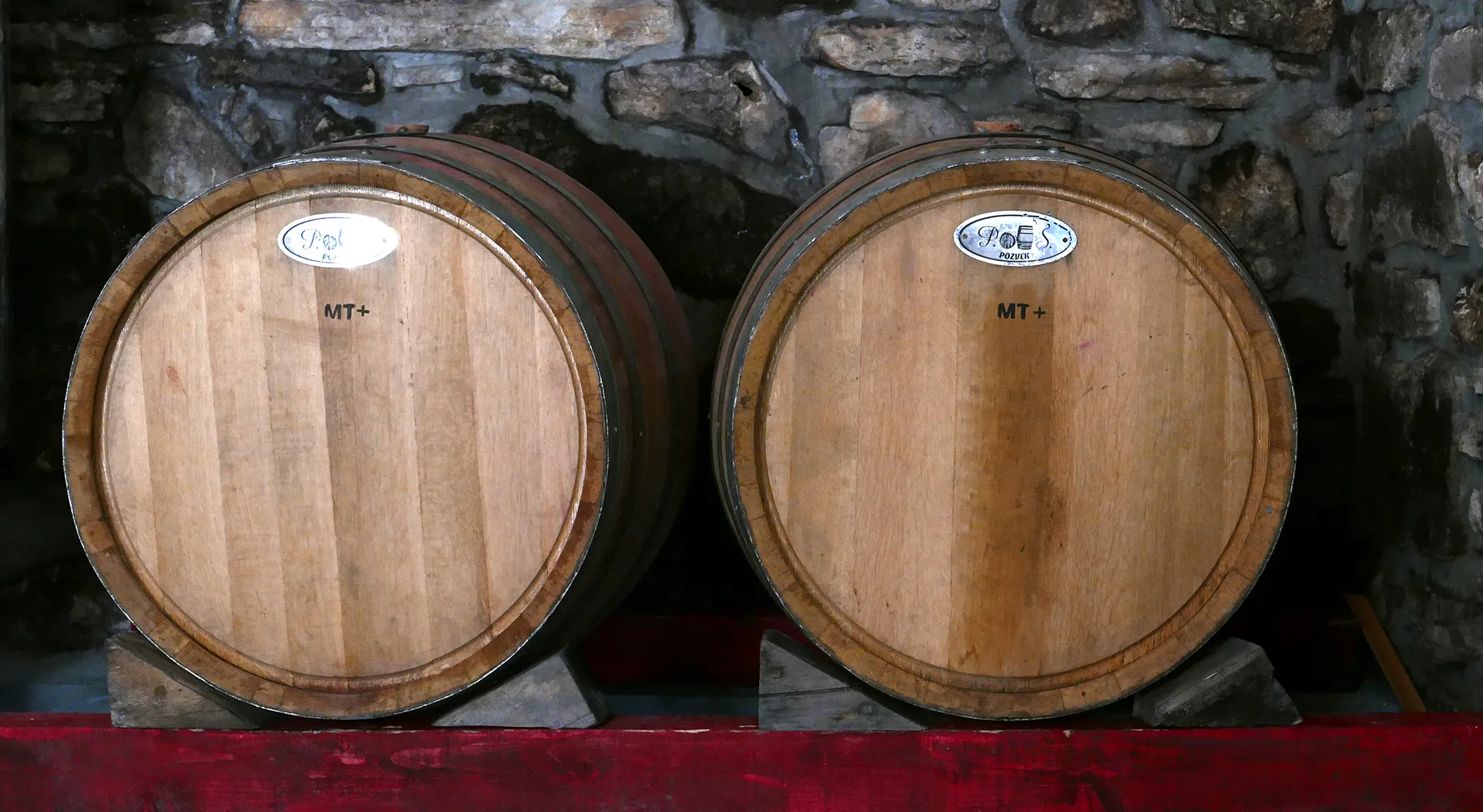
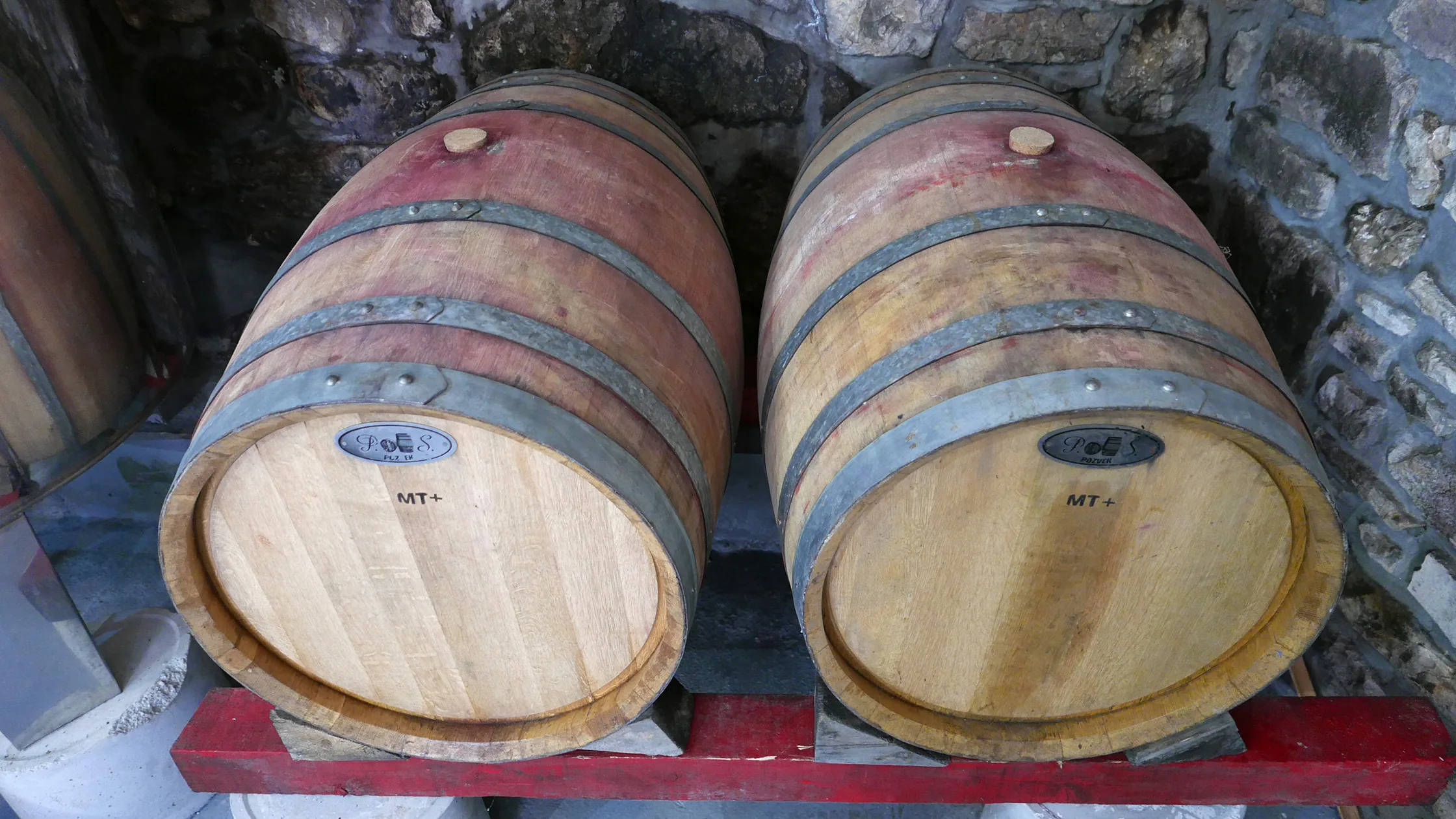
The row of oak barrels in the Barbazza cellar — oak of various ages, each marked MT
The reds sleep here.

THE OAK · THE ROW

Half a year in this cold, at least.

A row of barrels against the stone, oak of various ages. The reds inside will not move for half a year at least. Everything in this corner waits on purpose.

Oak · various ages · the reds

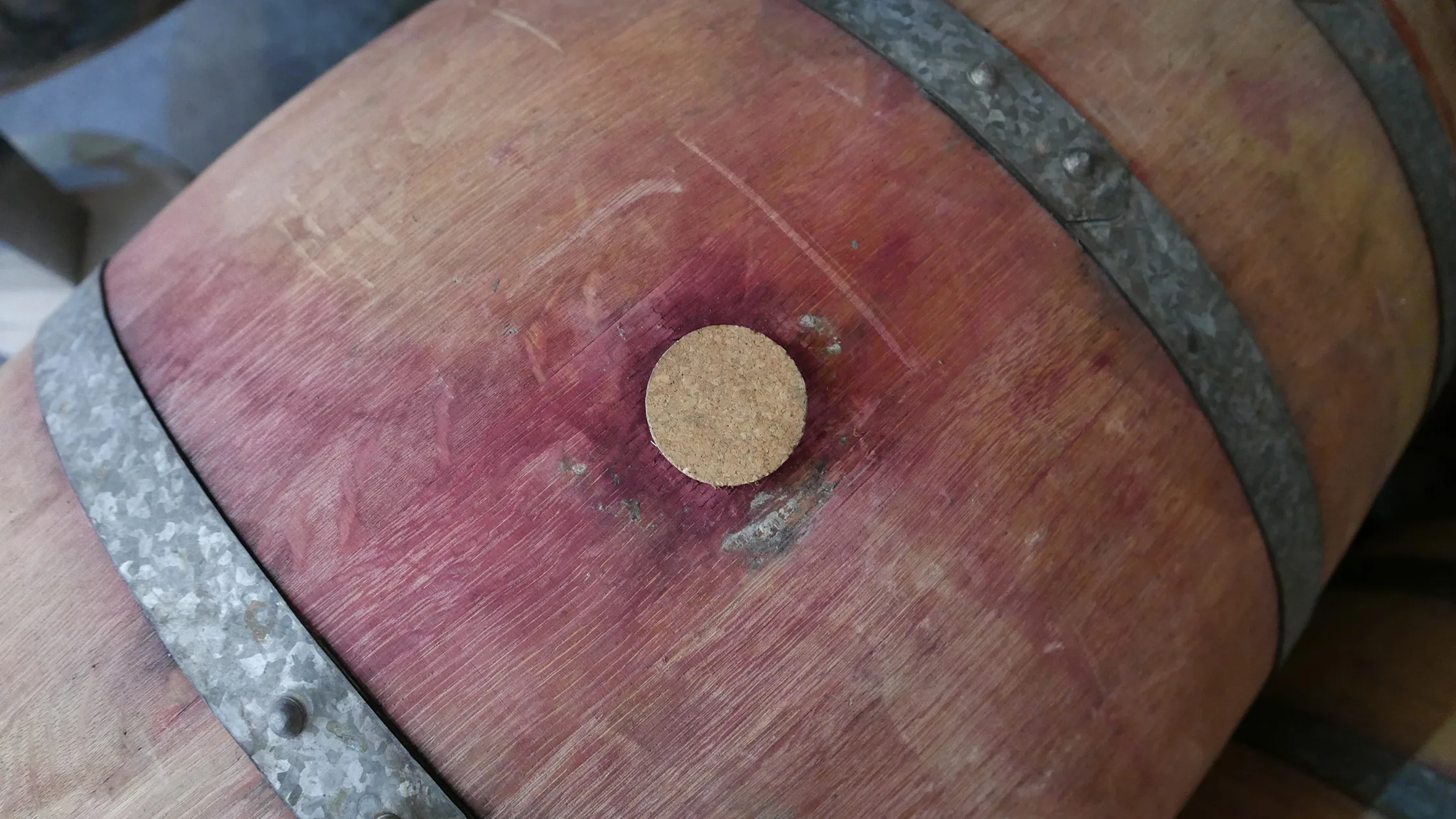
Wine-stained oak barrel head, close-up, with cork bung
This barrel saw 1987.

THE OAK · THE BARRELS

Older than the youngest of us.

The maturation is in oak of various ages, at least half a year in the cool of this room. The barrels stand against bare stone, each one marked MT in pale letters against the wood. Hold your face near the bung: the wine that came before this one is still there, faintly. The crimson stain around it has spread a little further every year, and reads now as the cellar's own ledger of what went in and when. Old oak does not forget.

Oak barrels · MT marked · the ledger

Older than the door.
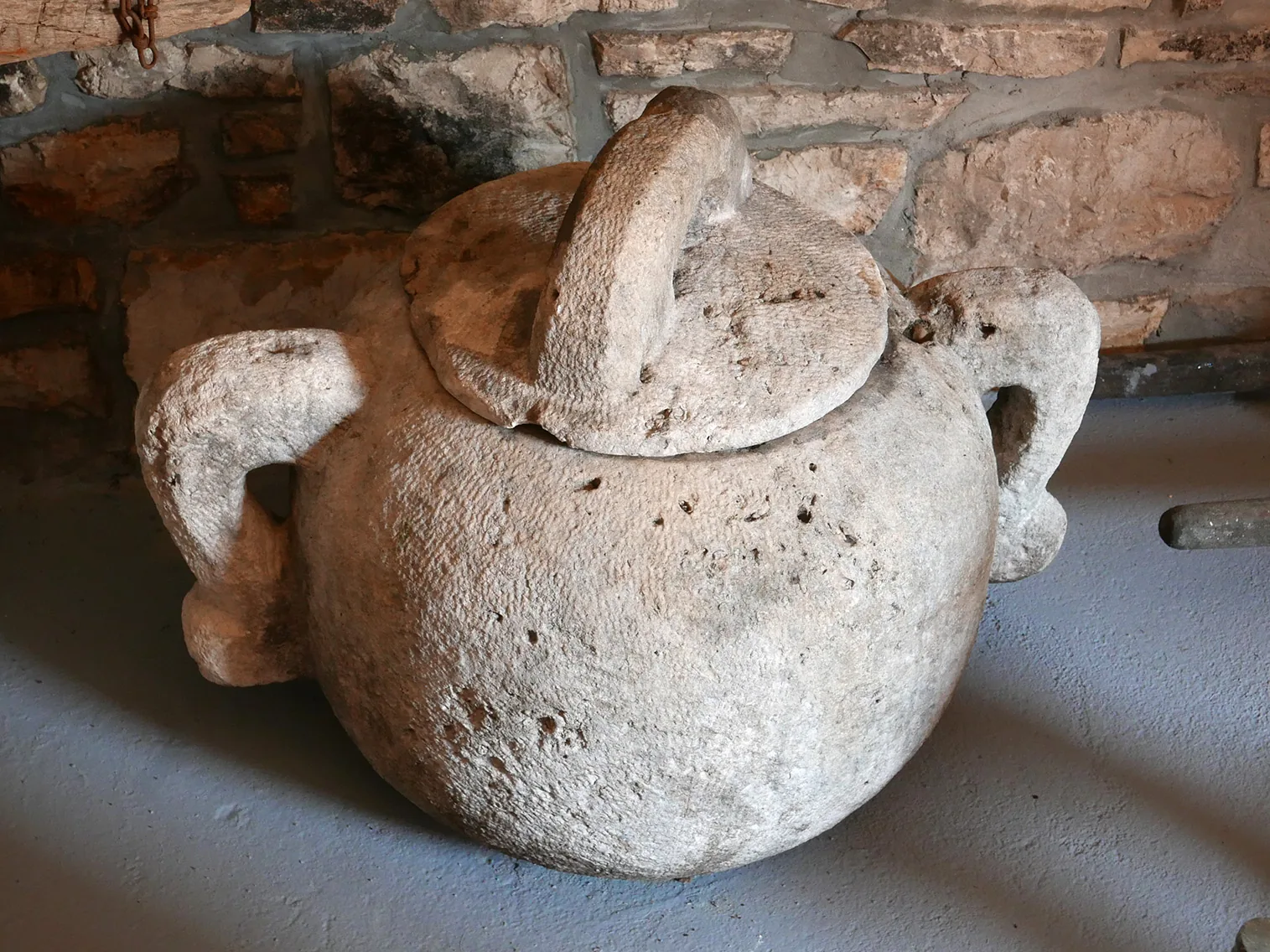
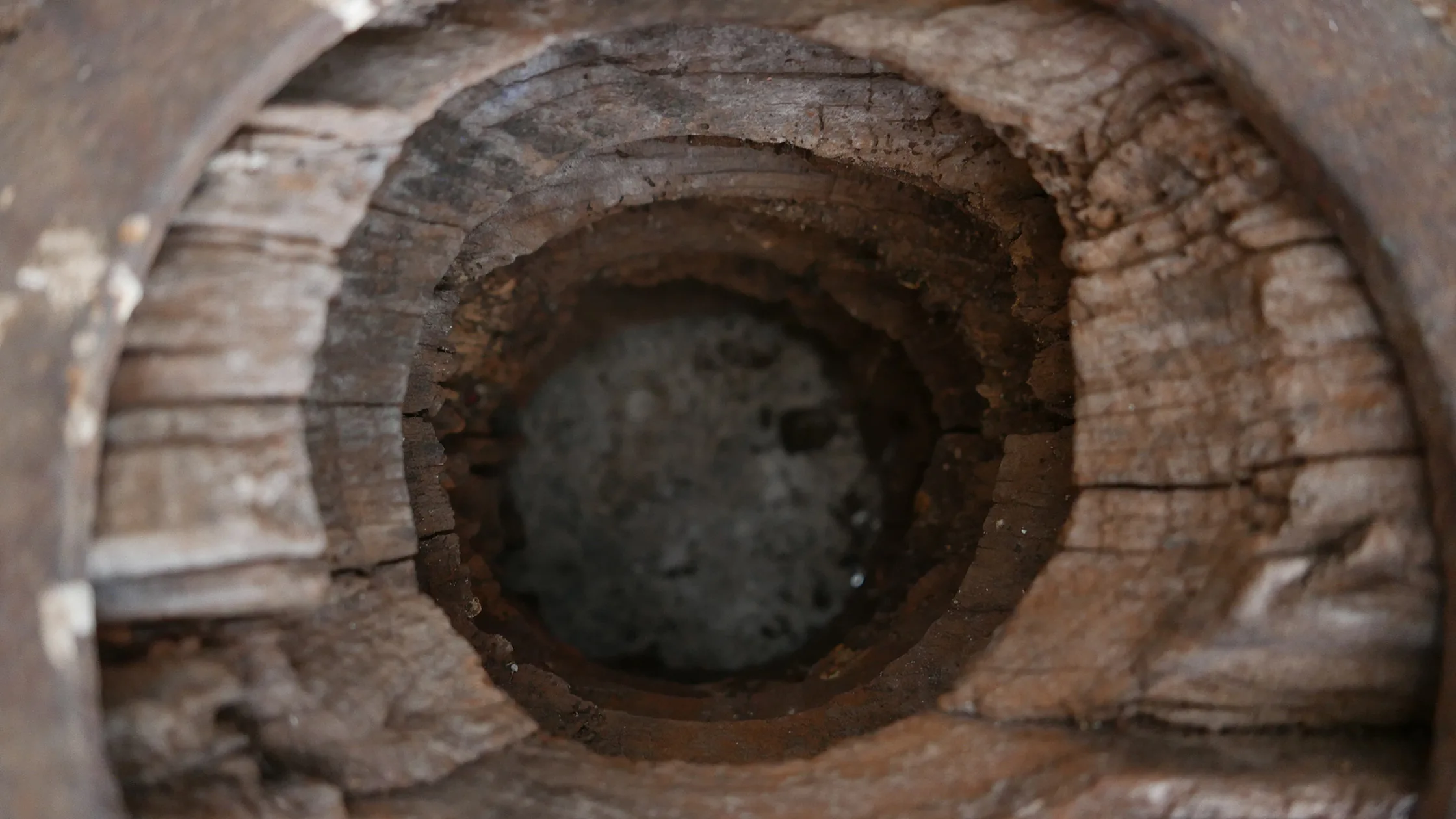
A stone vessel in the cellar corner The stone well cut into limestone in the cellar corner
cellar corner · stone vessel + well · pre-archive · in situ

A well, cut into the limestone. A vessel beside it. We did not put them there. The cellar was built around them. And the well is not a curiosity: Smokvica, the parish chronicle insists, is named not for figs but for water — here, beneath the terrace, is some of the evidence.

None of these were drawn for the bottle.
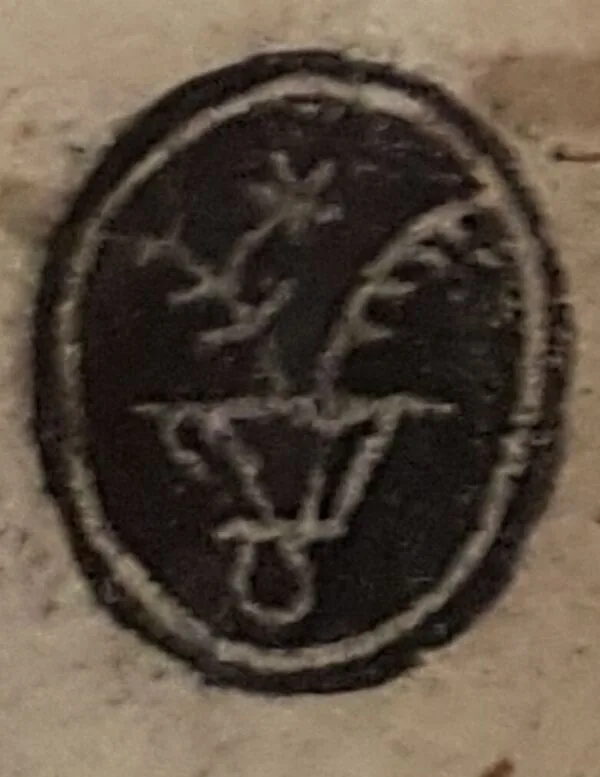
1618 inked seal — the Barbazza family crest 1618 · the inked seal
1753 seal in use — Bianchiani notary hand 1753 · the seal in use · Bianchiani hand
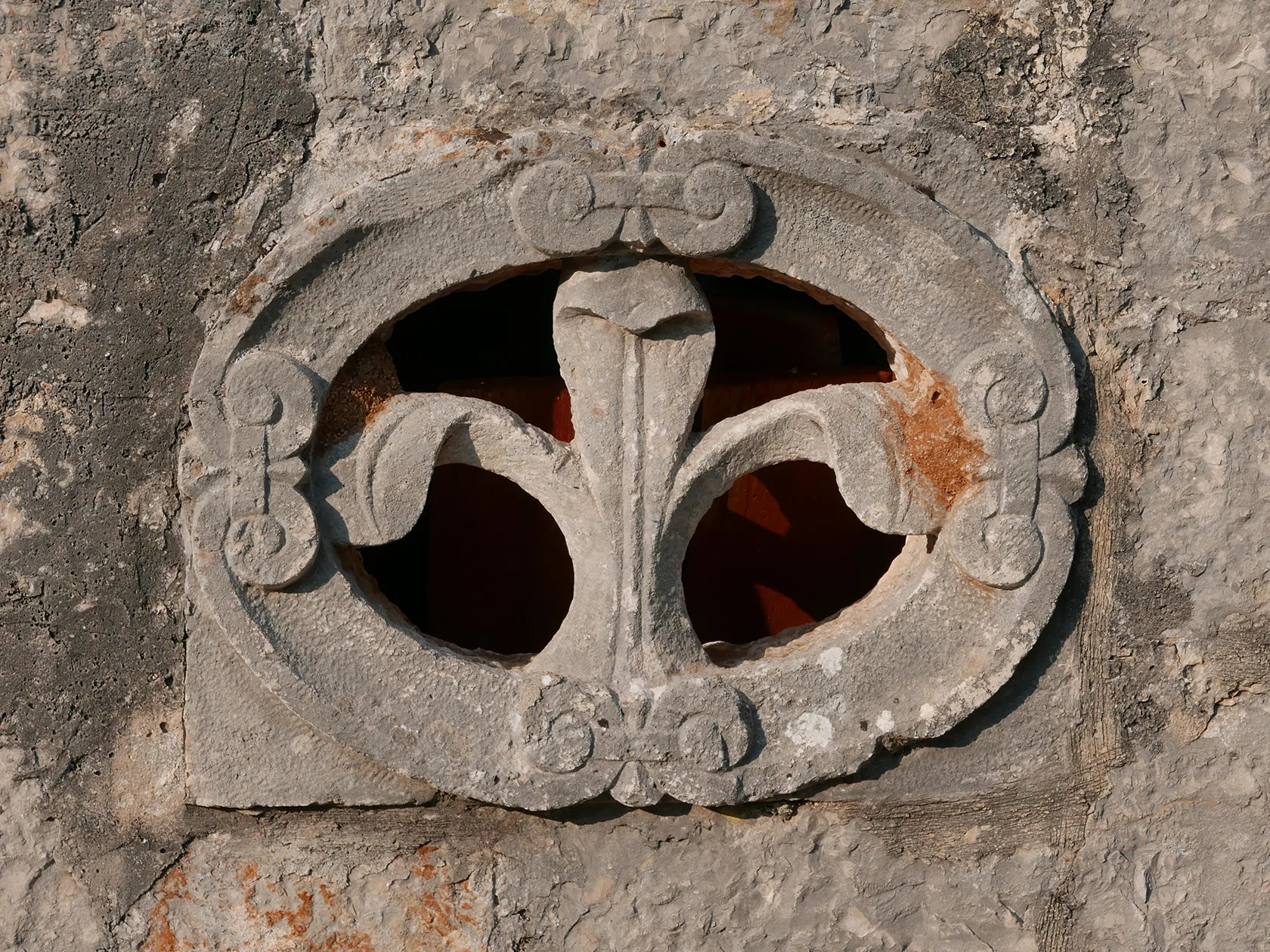
Ancient carved stone relief in the chapel wall showing the same flower motif stone · chapel wall · undated, ancient
Stone vessel in the cellar corner bearing the same carved form vessel · cellar corner · pre-archive
The Barbazza crest — the same flower from a footed vessel, as printed on every bottle today today · on every bottle

A flower from a footed vessel. 1618 ink. 1753 in use. Centuries-old stone in the chapel wall. The vessel in the corner of this room. The crest on the bottle is the fifth.

Waiting for you.
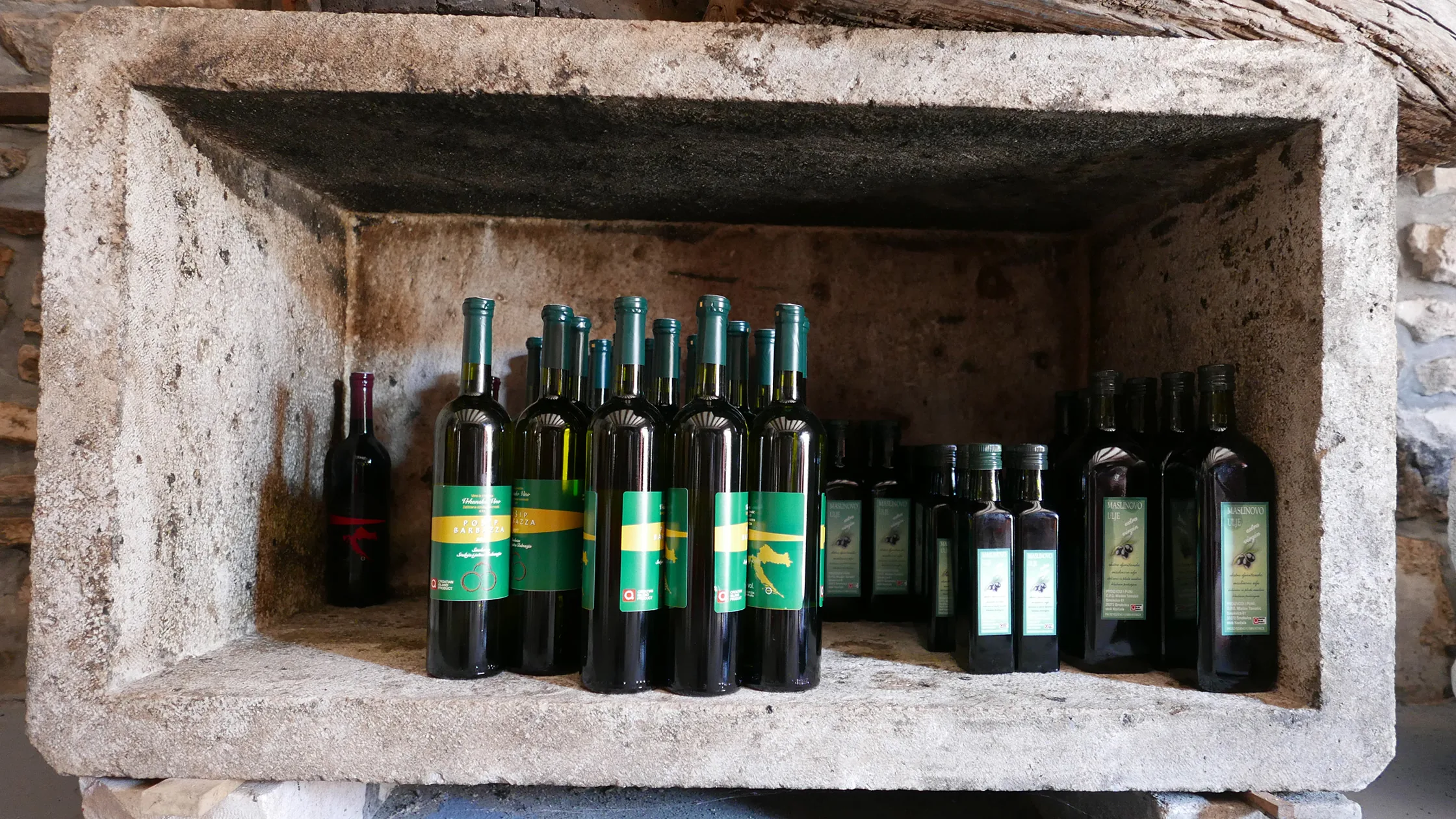
Wine bottles laid down in the stone niche cut into the cellar wall Barbazza wine bottles in the cellar, half-light, in posture
cellar niche · limestone wall cut · same posture, same half-light, since the year on the label

A niche cut into the wall does the work a wine fridge does, and has done it for longer. When we open one for a guest, it has been waiting in the same posture and the same half-light since the year on the label.

The iron key turned in the lock of the red cellar door, in full sun — its figure-eight bow casting its own shadow on the wood Come up. The door is red. I will be there.

I've sent you everything that fits in a bottle. The rest needs you here.

I'M COMING →