
Vinarija Barbazza · Smokvica

We have made Wine here since 1530. We hold the Writings to attest it.

The family winery in the hills of Korčula which found Pošip and gave the cuttings away.

Pošip · Plavac Mali · Prošek · Maslinovo ulje Scroll — Article I

Article I — The Claims

Three Things we say of ourselves. All of them are true. All of them faintly ridiculous.

01 We discover'd Pošip.1
02 The Republick of Venetia put down our Name in Writing.2
03 Our Mark was not design'd. It was unearth'd.3
Footnotes — the receipts
1.In 1864 the ancestor Marin "Caparin" found a wild vine while clearing forest at Stiniva. He planted it, multiplied it, and handed the cuttings to every grower in Smokvica and Čara. It became Pošip — Croatia's first protected white wine (1967), now grown all along the coast. We kept about three hectares. You are welcome.
2.28 April 1723, Torcello: "Noi Alvise Corner, per la Ser.ma Repub. di Venetia…" — granting Tomaso Tomašić and his descendants nobility and citizenship of Venice in perpetuo. The decree hangs framed on the cellar wall. We try very hard not to bring it up at dinner. We bring it up at dinner.
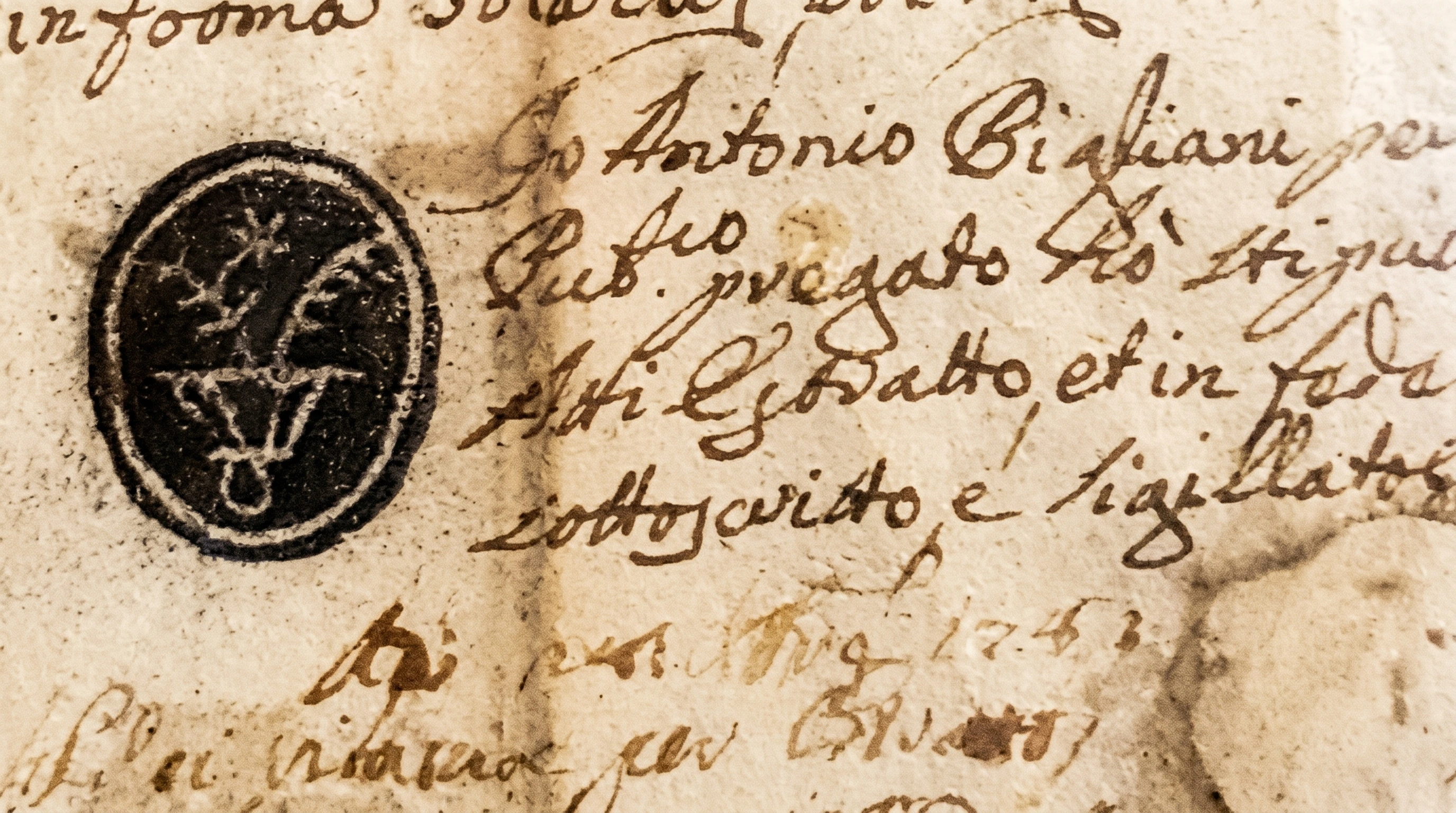
3.The seal on the bottle is a notary's, pressed into a contract in 1753. The wordmark is an ancestor's actual handwriting from a 1759 land deed. The key is the real iron key to the cellar. We changed none of it. We wouldn't know how.
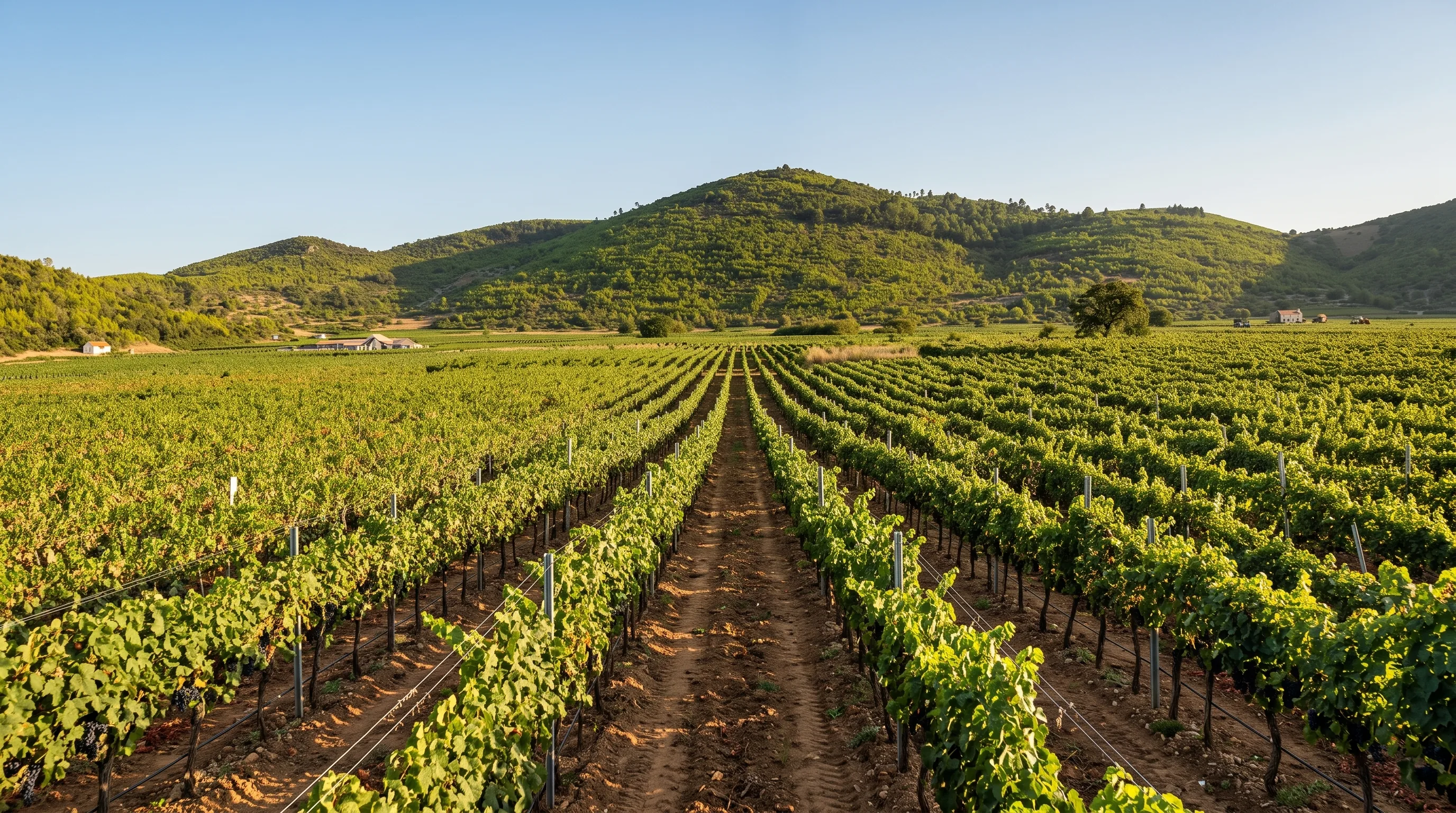
The vine rows of Smokvica polje running toward the green hill, evening light
Article II · The Vineyard

01 · The Polje

All here is wrought by Hand. This sounds like Philosophy. But it's just a Want of Hands.

The vines stand in the Smokvica polje and on the slopes above it — south-facing only, for the sun, and against the cold winters. We have mechanised exactly as little as we could get away with.

3Hectares cultivated
7,000Bottles · a good year
30–100Years · vine age
6Months in oak
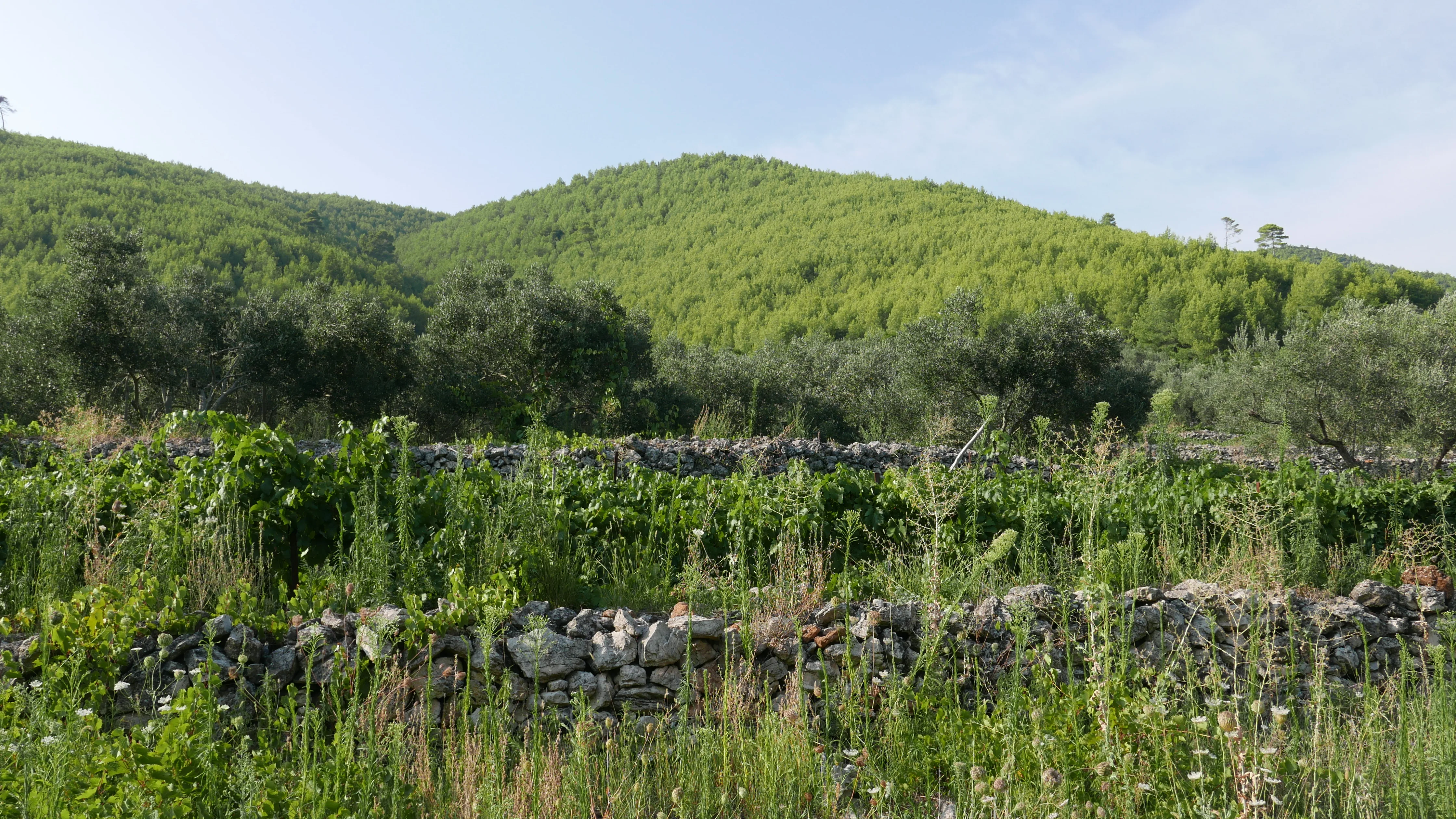
Dry-stone terrace walls among olives and vines, the green hill of Smokvica behind
02

02 · The Terraces · dry-stone · south-facing slopes · vines 30–100 yrs

For Centuries Terraces were raised for Vineyards — to spare the fertile Land for Bread.

We still cultivate and renovate the old stone walls — for better wine, for the heritage they carry, and because they hold the soil against drought. Many growers now use the fields instead, to spare the effort. We still climb.

Those walls outlived every hand that laid them.

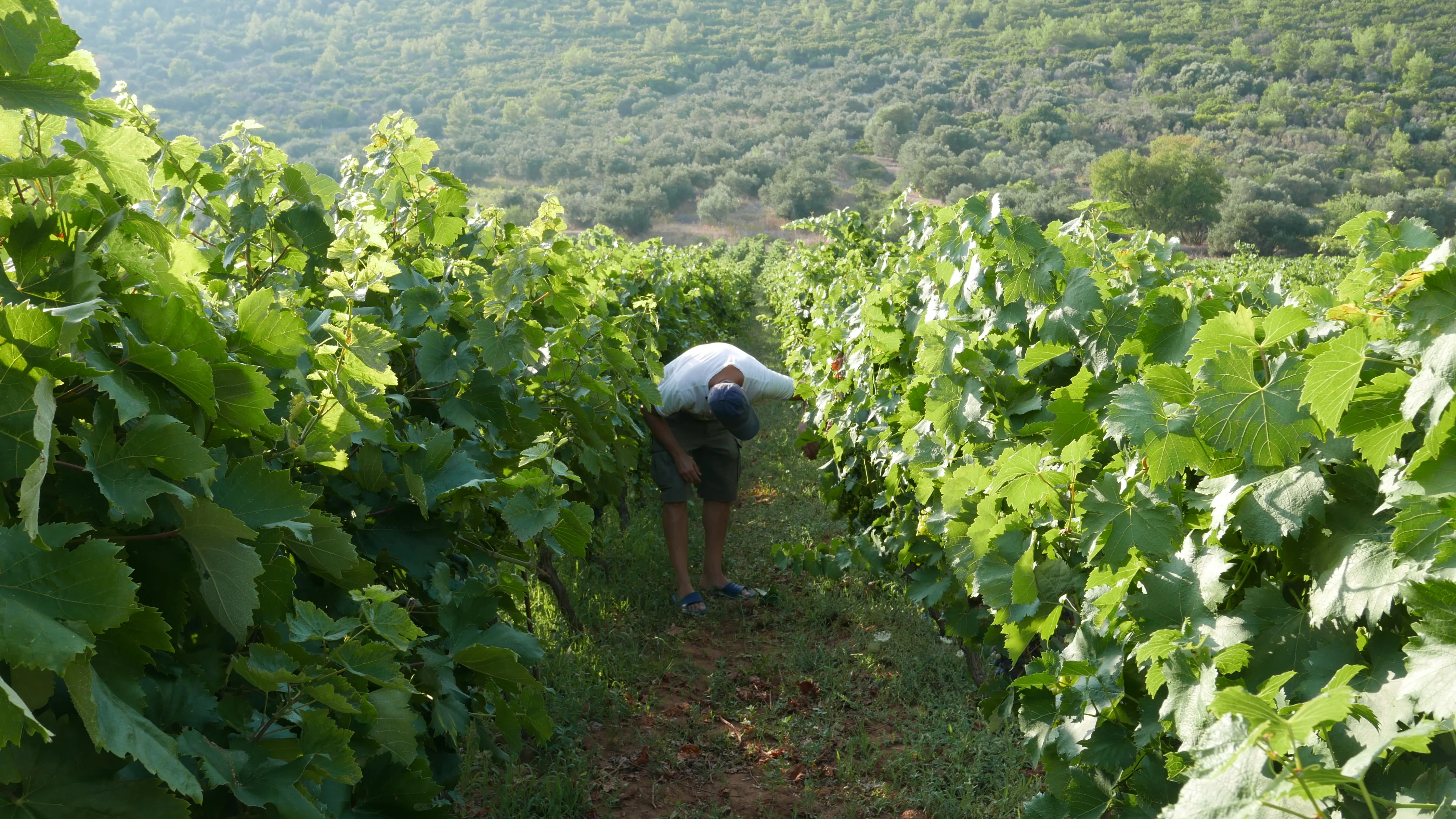
Working the vineyard rows — hand-picked into open baskets
03

03 · The Harvest · hand-picked · 7–10 t a year

We hand-pick the Grapes in open Baskets.

All of the work is manual — the tradition obliges us. Picked into open baskets to keep the quality high and spare the fruit, then checked and preselected once more at destemming; no machine ever enters the rows. Seven to ten tonnes a year become around seven thousand bottles in a good one.

Every grape, by hand. Machines are for those in a hurry to make ordinary wine.

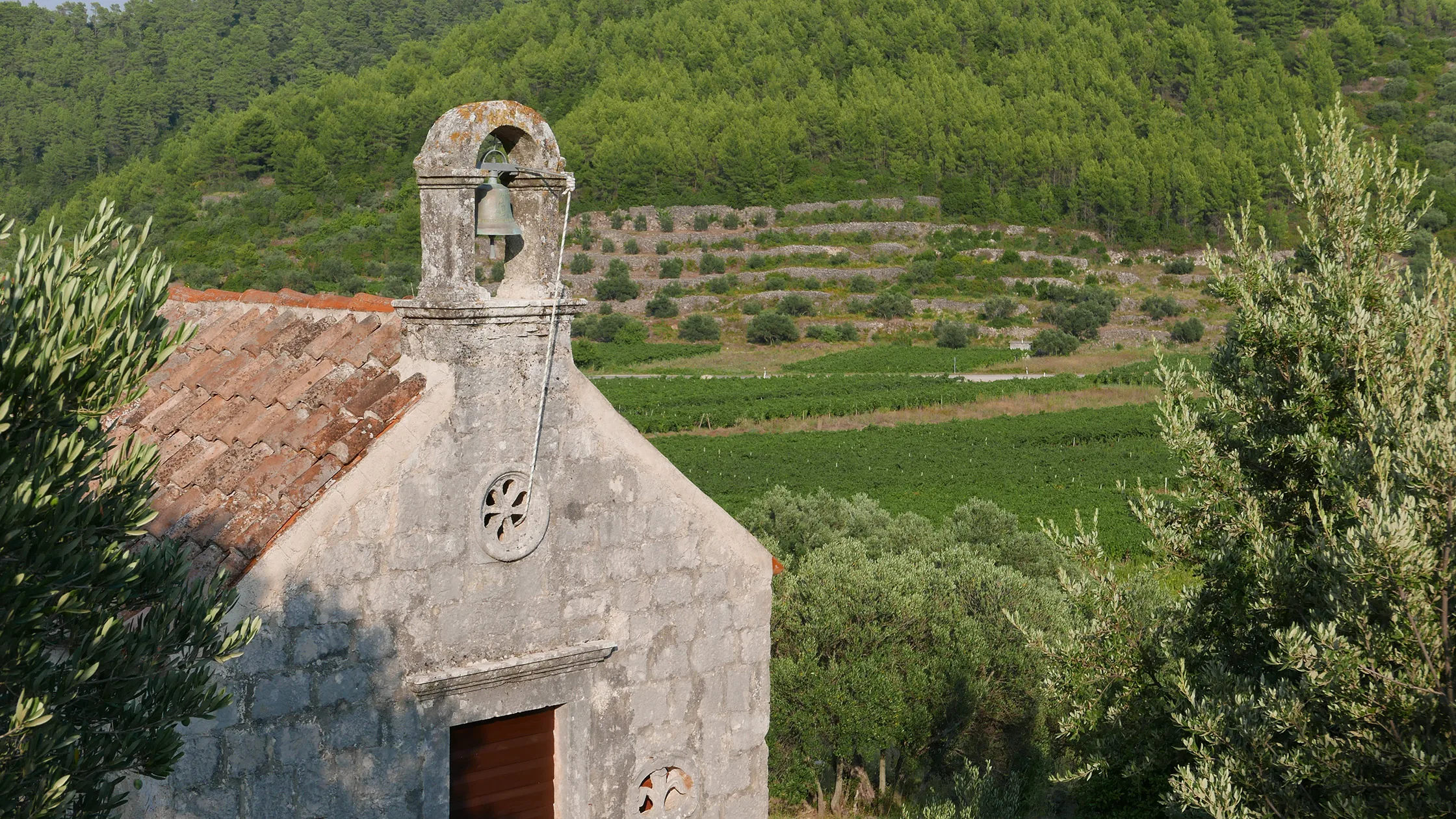
The field chapel of Smokvica — the bell, the tiled roof, terraces and vineyards on the hill behind
04

04 · The Hill · limestone · phylloxera 1920s · 3 ha

All the Buildings, Roads and Terraces here were built before Napoleon.

Phylloxera emptied these hills in the 1920s and sent most of Korčula overseas. Three hectares of vines and olives stayed with us — along with the walls, the roads, and the upkeep. Keeping the tradition is the steepest slope we farm; we intend to keep farming it.

Three hectares. We kept them. You are welcome.

Article III · The Record

The House of Barbazza.

Our name, in its Venetian form, is Tomasich detto Barbazza. We write it the old way — Tomasich, not Tomašić — deliberately. The Founders Caslon typeface we set our headlines in is as old as our documents (1530–1759); the accent letters didn't exist in the original cut because they weren't used at the time. Wherever that old face appears in a headline, we use 1700s words and spelling; everywhere else we use a modern face with modern words.

1759
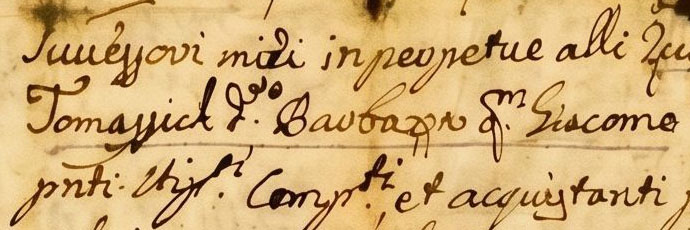
The name in an ancestor's own hand — a 1759 deed

No. 01 · The Name

Our Wordmark is a Signature.

The wordmark on every bottle is Tomaso Tomasich's own signature, taken from a document he signed in 1759. We didn't draw it. We found it.

The Barbazza wordmark, drawn from the 1759 signature
Extracted as our wordmark — unchanged

Tomaso Tomasich · 1759 · our brand strategist

No. 02 · The Crest

Our Logo is a Seal from a Document.

A notary pressed it into a contract in 1753 to make it binding — a flower rising from a vessel. It was never drawn to sell wine. It was drawn to prove a fact. It does the same now, on every bottle, unchanged in three hundred years.

Antonio Bigliani · 1753 · our first graphic designer

1753
The notary's seal — a flower from a vessel — 1753
1864
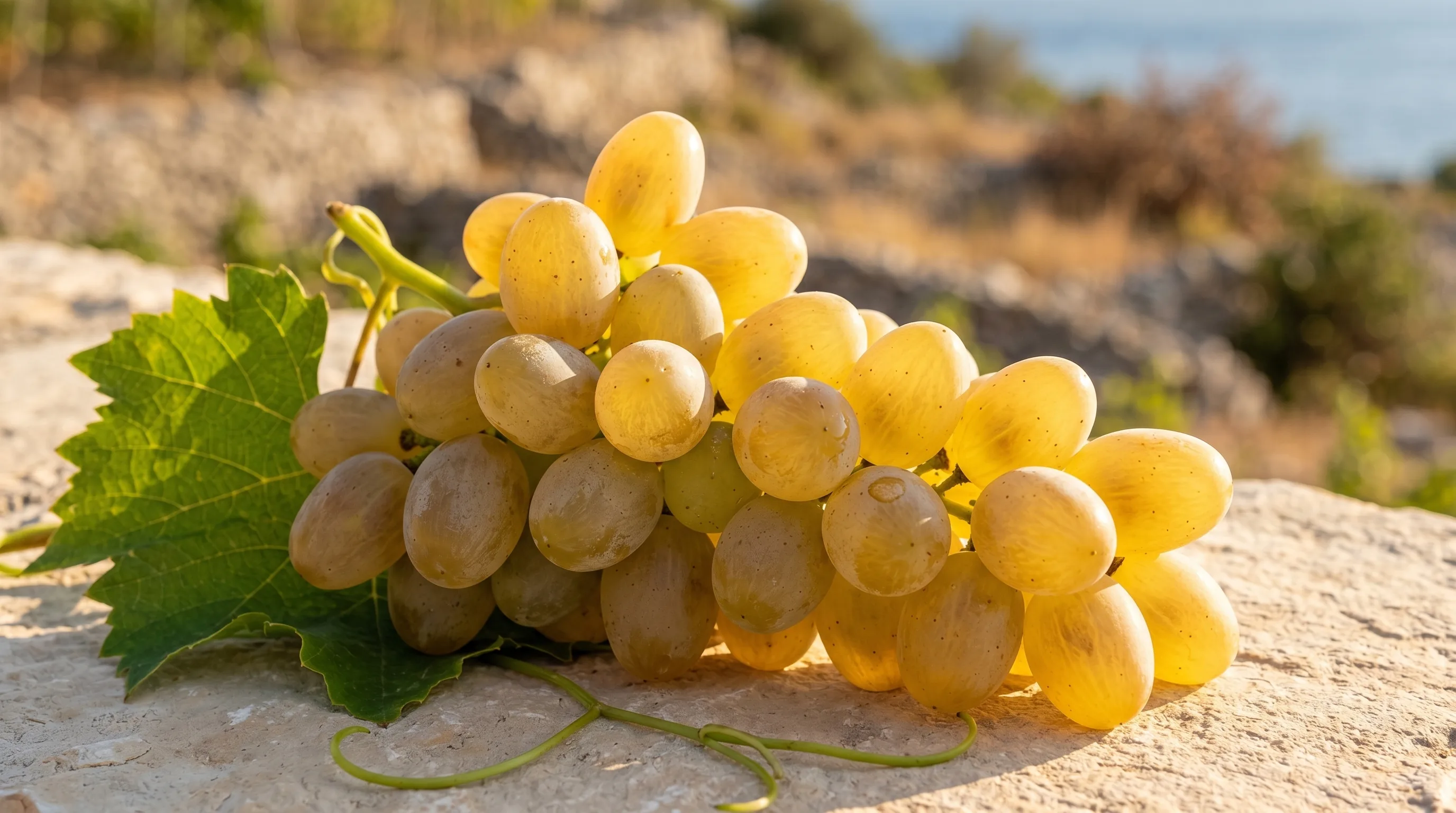
Pošip grapes on the vine — the white grape our family found wild

No. 03 · The Discovery

We discover'd Pošip in 1864.

Marin Tomašić — known as Caparin — was clearing trees in the Stiniva gorge above Smokvica when he found a white grape growing wild. He took cuttings, planted them, and over the years gave the vine to every grower in Smokvica and Čara. He never charged for it. That grape was Pošip — a natural cross of two old Korčula varieties, born on this island and nowhere else. It still grows here on its original, ungrafted roots. In the glass it's straw-gold and full-bodied: peach and apricot, citrus, almond, Mediterranean herbs and a note of sea salt, with bright acidity. Serve it cold, with whatever came out of the sea that morning.

Pošip grape · free cuttings · best business decision in family history

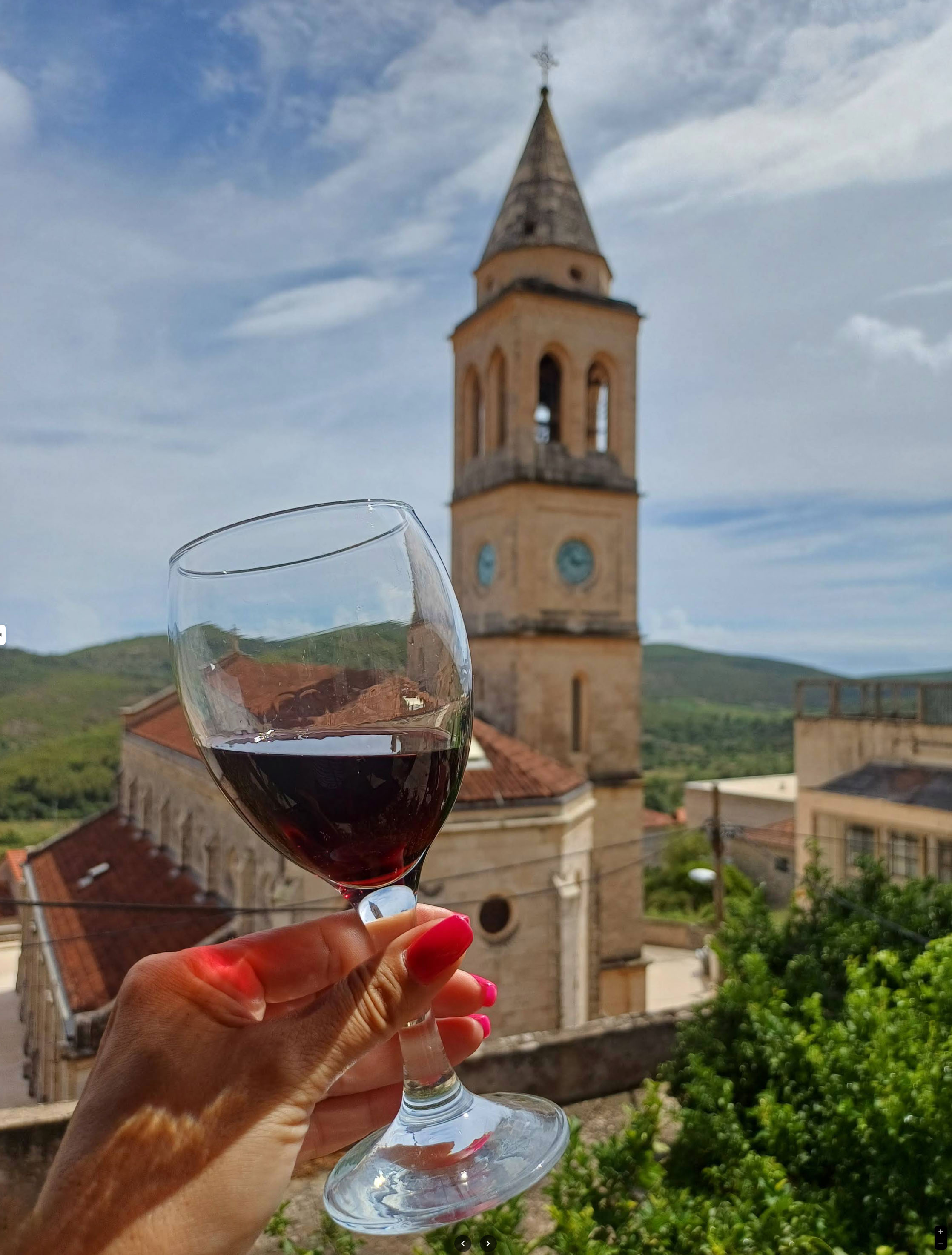
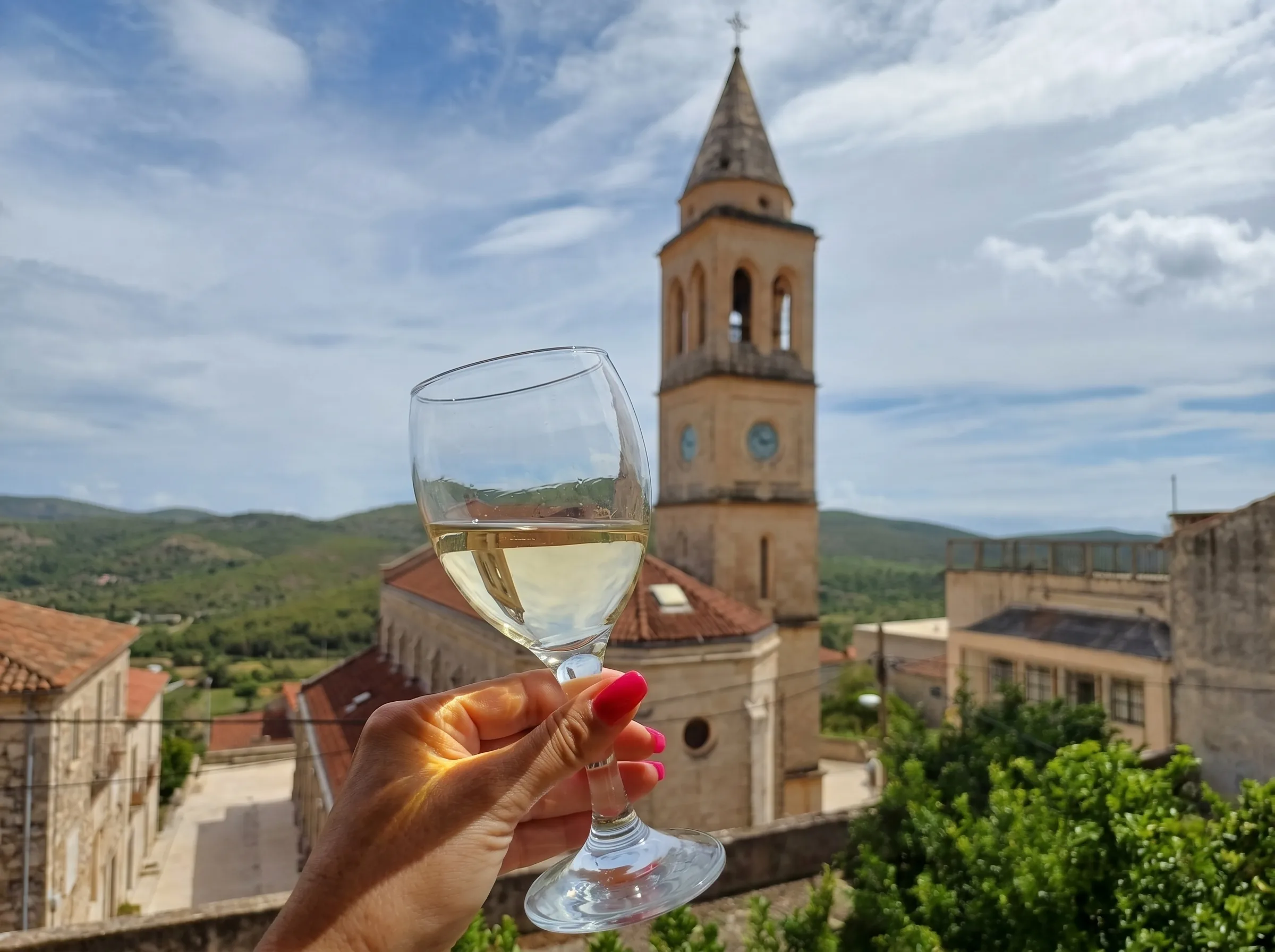
A glass of Pošip raised against the five-hundred-year bell-tower of Smokvica

No. 04 · Today

The Grape we gave away has prosper'd.

In 1967 Pošip became the first Croatian white wine to win a protected designation of origin. Today it's the most-planted white grape on the Islands, grown from Pelješac to Hvar to the mainland. It all began with one wild vine above Smokvica. We make about seven thousand bottles a year, by hand, in the village where the grape was found. The whole region drinks Pošip because our family didn't keep it to themselves — and we'd make the same call again.

Every last vine of it traces back to a grape our family found wild in a forest and gave away. The white that remade the island is ours — and the wine is yours.

Živjeli!

No. 1on Korčula
No. 2Dalmatian Islands
No. 9in all Croatia

The view from the terrace · come and join us for a glass of Pošip

Article IV — Our Wines

Upon two Grapes the whole Island stands — and a Red nam'd for a Brow.

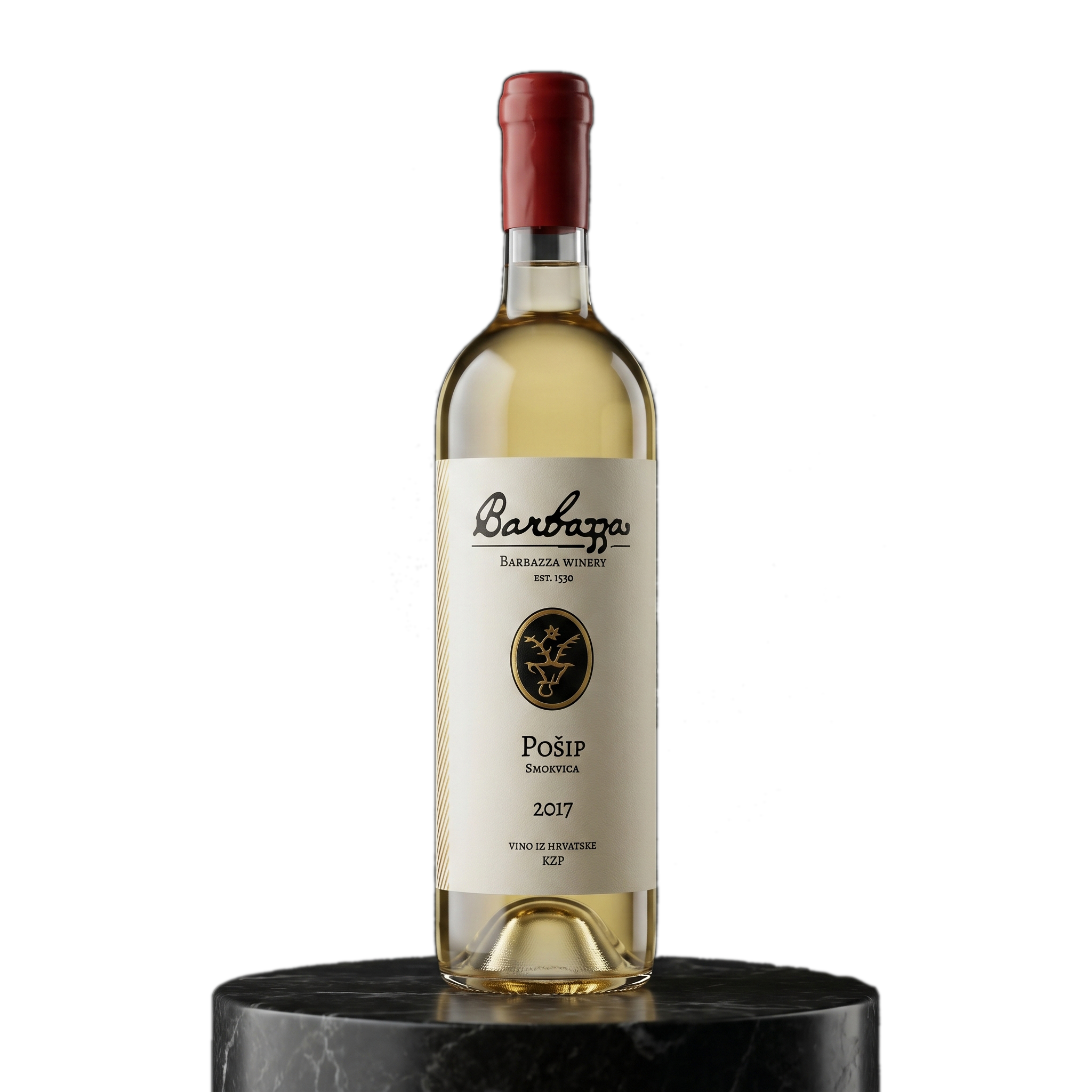
Pošip Barbazza — the white, studio bottle shot

No. 01 · The White

Pošip"a real child from Smokvica"

Straw-flower, citrus, peach, apple — and a little salt.

The grape we found, grown where it was born — King of the white wines of Dalmatia, light-bodied at 12–13%. Serve it cool at 14 °C with whatever came out of the sea this morning: grilled fish, oysters, a plate of pršut and Paški sir — or just the afternoon. Our Pošip!!! — the exclamation marks are the family's, and we have left them.

12–13% vol.Serve 14 °CFish · pršut · Paški sir
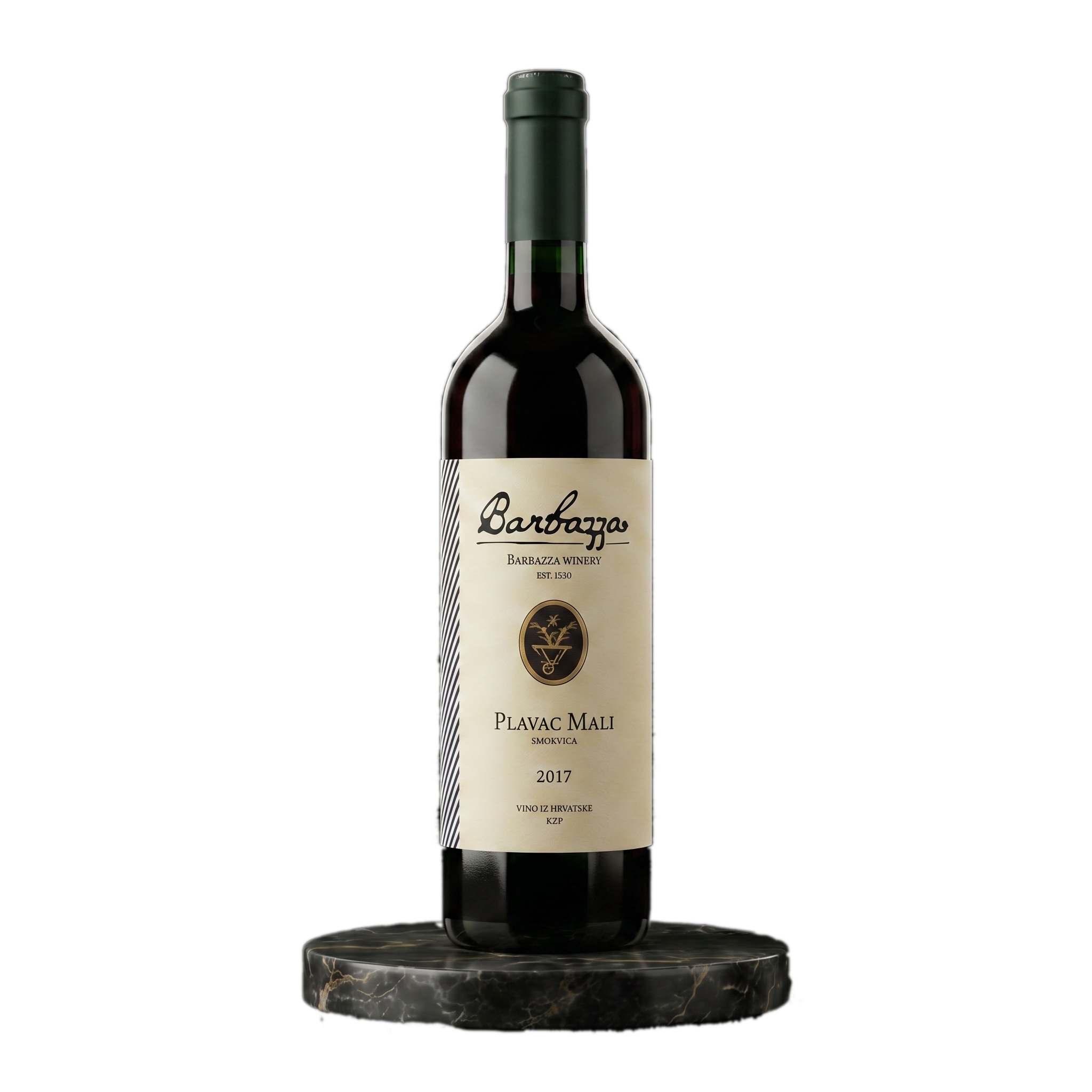
Plavac Mali — Debelo Čelo, the red, studio bottle shot

No. 02 · The Red

Plavac MaliDebelo Čelo · "Thick Brow"

Dark, autochthonous, entirely unbothered.

Our flagship red, and yes, that is its name. Plavac Mali is Dalmatian to the bone — the offspring of old Tribidrag, the very grape the world bottles as Zinfandel in California and Primitivo in Puglia, and a cousin of the great Dingač and Postup. Grown stubborn on dry-stone terraces, matured in old oak. Open it an hour ahead and pour at 16–18 °C with lamb off the fire, slow-cooked pašticada, or a board of aged cheese and pršut. Korčula is famous for its whites; we would like a word about the red.

Plavac MaliOld-vine~6 mo. oak
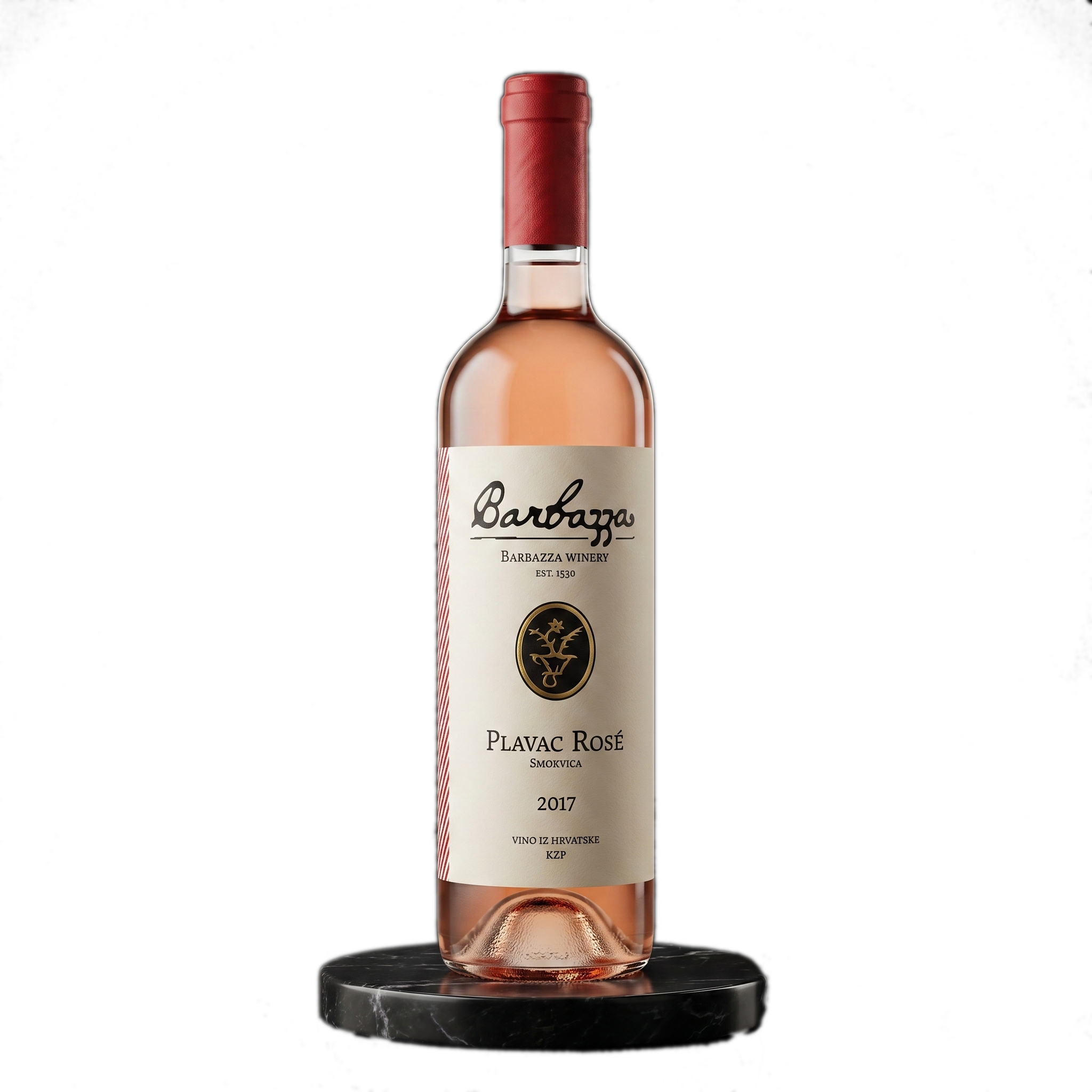
Plavac Rosé — studio bottle shot

No. 03 · The Rosé

Plavac Rosé

The island light in a glass.

The red, caught early and lightly — dry, pale, faintly wild, the colour of a Smokvica evening about an hour before it is anyone's idea to open a second bottle. Serve it cold as the sun drops, with grilled vegetables, a summer salad, small fried fish — or nothing but the view of the bell-tower.

Plavac MaliDryServe cold
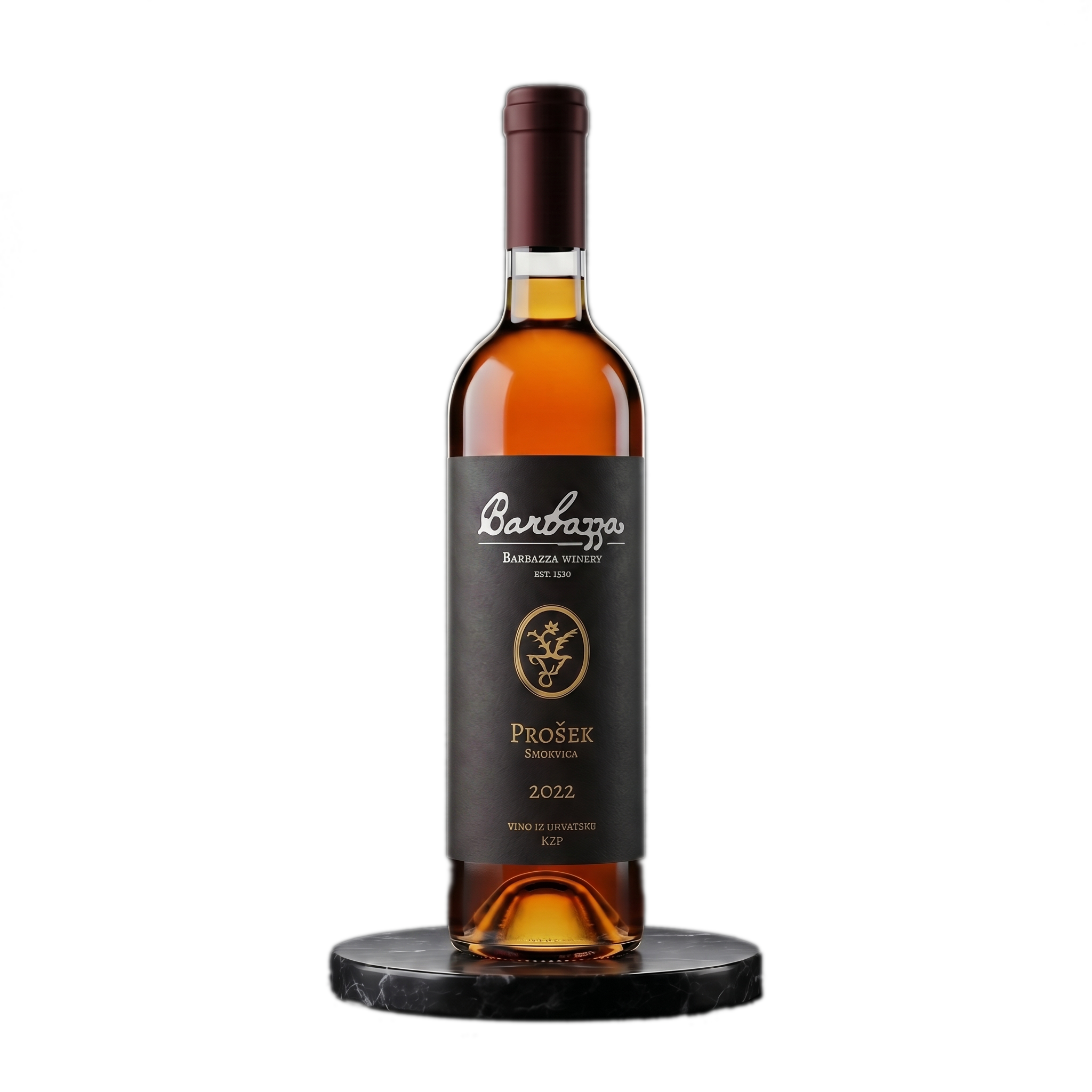
Prošek — the dessert wine, studio bottle shot

No. 04 · The Dessert Wine

Prošek

Sun-concentrated. Slow. Unhurried.

The old Dalmatian sweet wine — not the fizzy northern stuff it rhymes with — made the way it has always been made: grapes dried in the sun, pressed slow, aged longer. Pour it small and lightly chilled after dinner, with dried figs and almonds, a wedge of hard cheese, or a rožata. For once the arguments have been settled and nobody wants to leave the terrace.

Traditional methodSweet
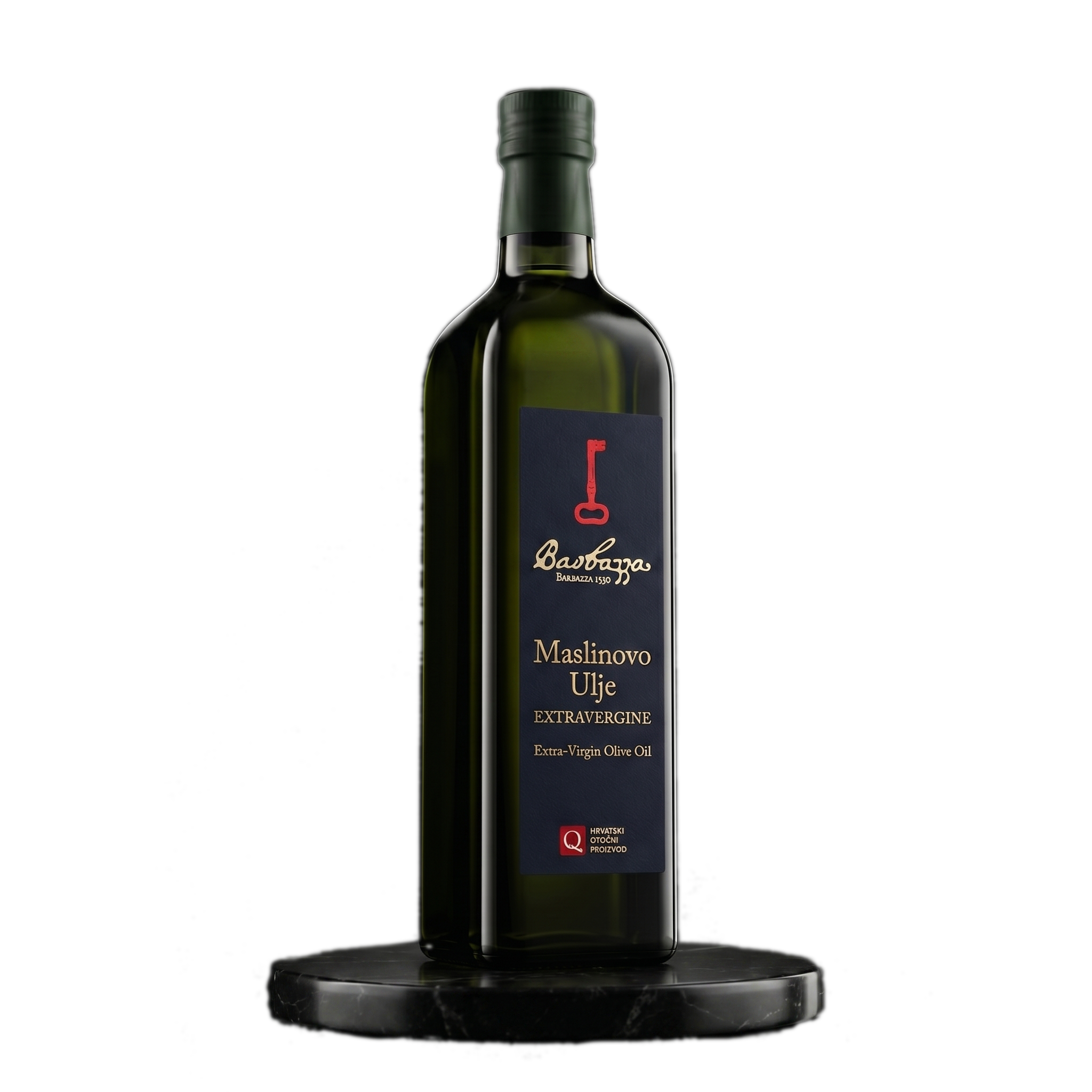
Maslinovo Ulje — Barbazza extra-virgin olive oil, the red-key label on a dark studio shot

No. 05 · From the Grove

Maslinovo Uljeolive oil

From the same hills, the same hands.

Extra-virgin olive oil from the groves above the vines — green, peppery, cold-pressed within hours of the harvest. Use it raw and without thrift: over grilled fish, warm bread, ripe tomatoes, a bowl of mussels. The oldest oil mill in Smokvica is older than three thousand years; we are merely the latest people to bother.

Extra virginCold-pressed

Article V — Personnel

Run by a Family and a Dog.

A 500-year-old institution keeps a complete roster of its working members. So do we — including the one who cannot read this. Most of the family emigrated to Australia; keeping this list this long is the largest uphill battle we face.

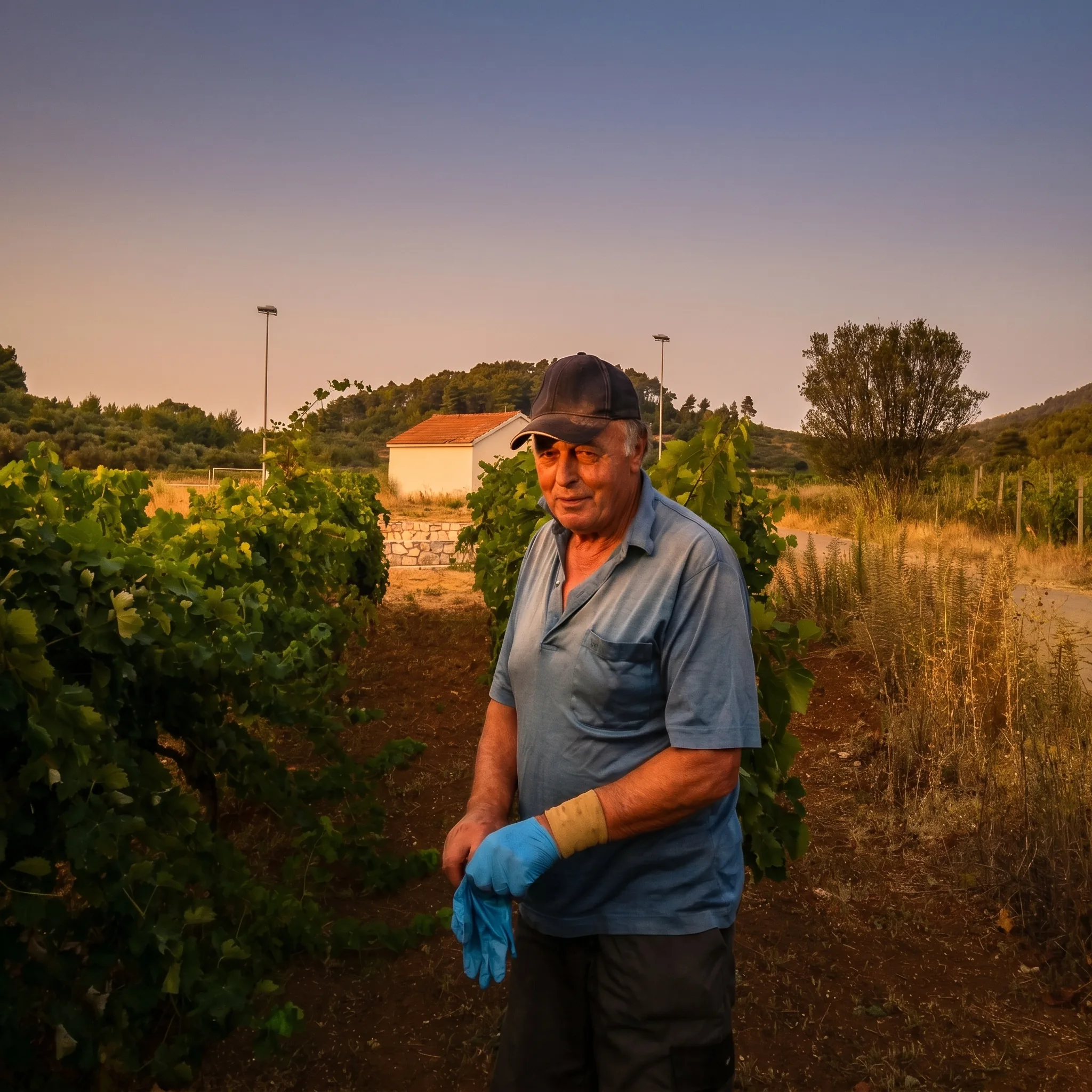
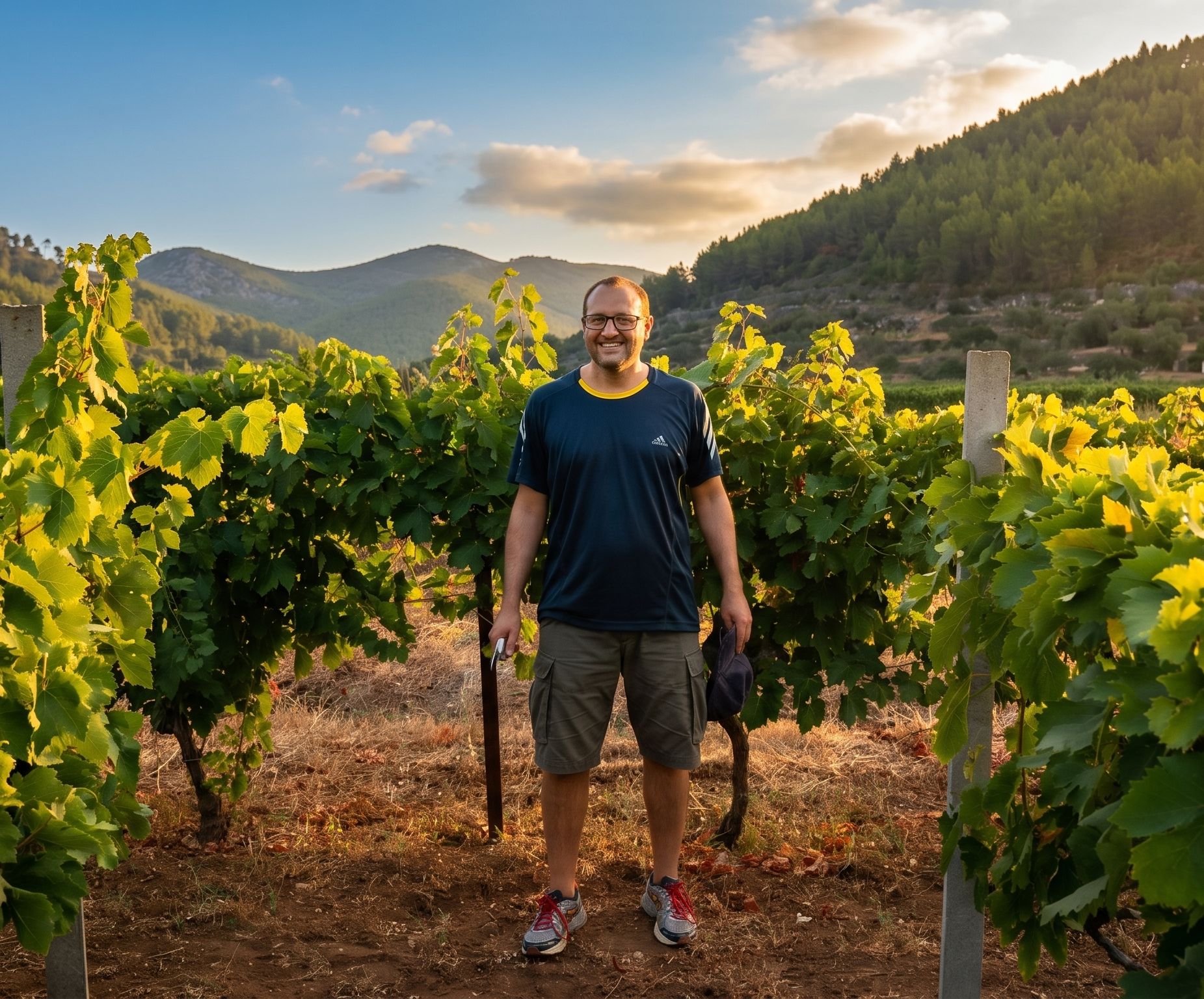
Mladen Tomašić standing among his vines at dusk
Mladen
Wine grower · maker · seller

The owner. The surname on the paper. The one keeping the 500-year line alive — and the reason there is still anything here to taste.

Marin in the vineyard rows beneath the Korčula hills
Marin
Chemist · geologist · guide

Environmental chemist, geologist, wine enthusiast, tourist guide — and the keeper of this website. Knows exactly which limestone you are standing on, and will tell you, at length, happily.

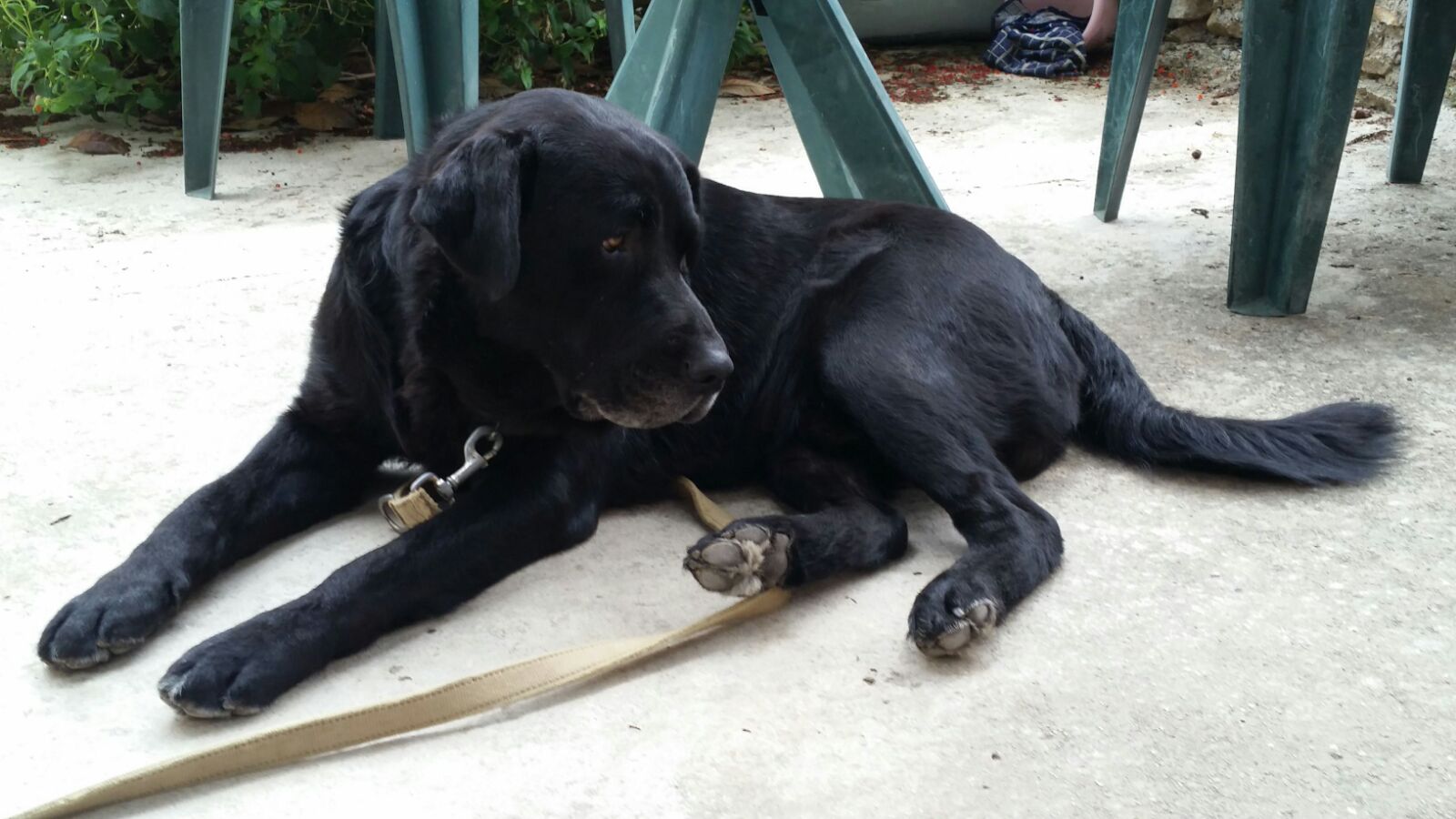
Dogtor Begi, the black Labrador winery mascot, resting in the vineyard rows
Dogtor Begi
Black Labrador · Mascot

Dogtor of Philosophy. 4-Paw Bandit. Womanizer. Psychologist. Vagabond. Leisure-time Observer. Seven offices held. Has cleared his schedule for your tasting.

And the rest of the working bees: Zehra (assistant), Dragomir (strategic analyst, figs collector — the figs are not for sale), Adis (man for everything), Jelena (physiotherapist with other duties), and Lera, Lovor & Vojka. Everyone does several jobs. It is a small winery.

Article VI — Our Town

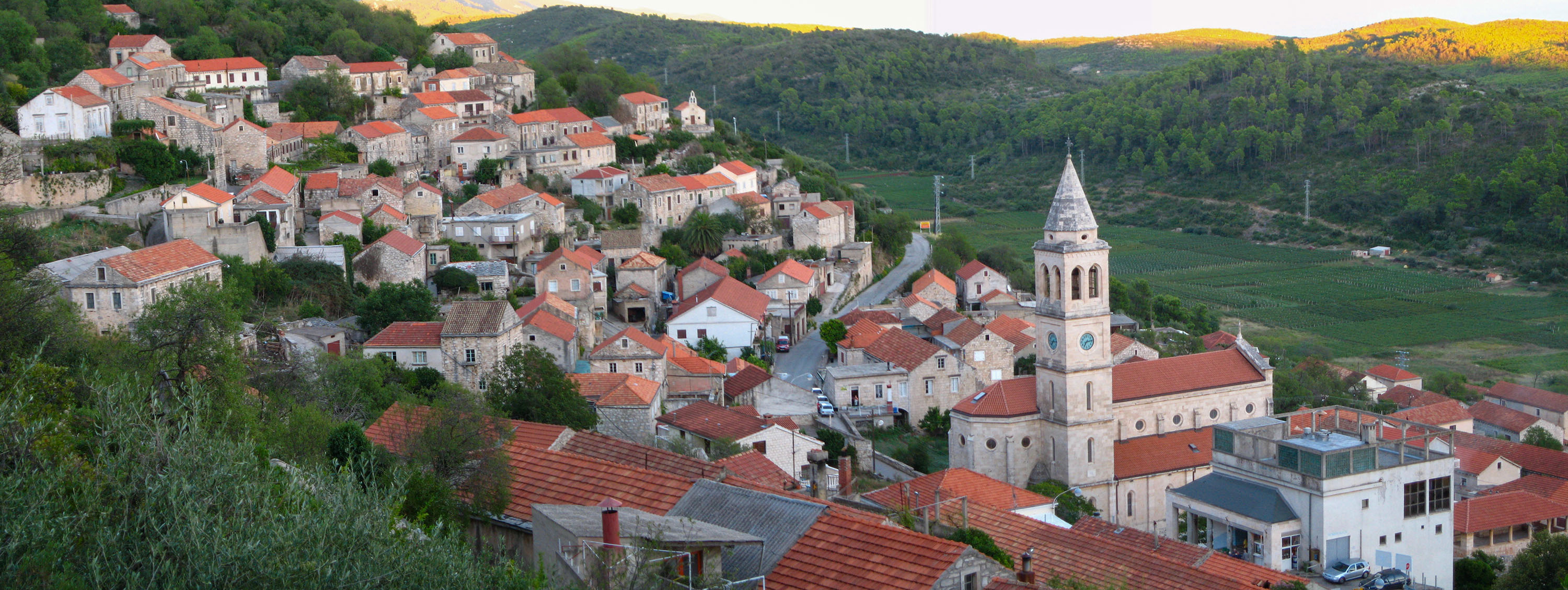
Smokvica. Set inland, of set Purpose. The Name secretly means Water.

In the dead centre of Korčula, built up in the hills so the ancestors could hide from pirates. The fortified houses still stand; the sword-dance still remembers why.

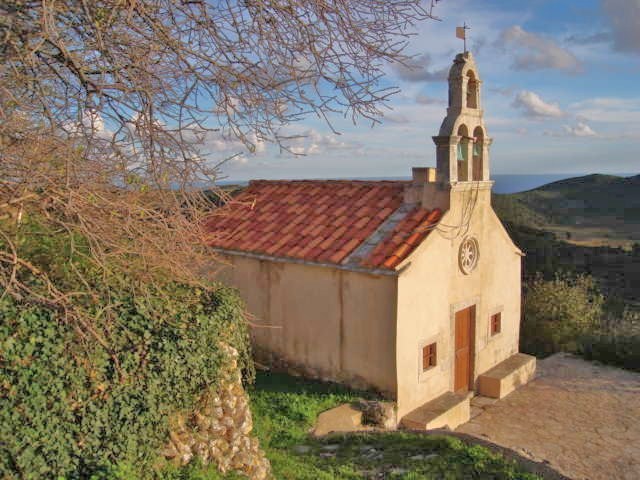
The air carries lavender, rosemary and sage. Small chapels are scattered through the vineyards, each guarding a road or a spring. And though everyone assumes "Smokvica" means little fig, the parish chronicle argues it comes from water — the ponds that named the place in antiquity. From the tasting terrace you look straight at the five-hundred-year bell-tower, glass in hand.

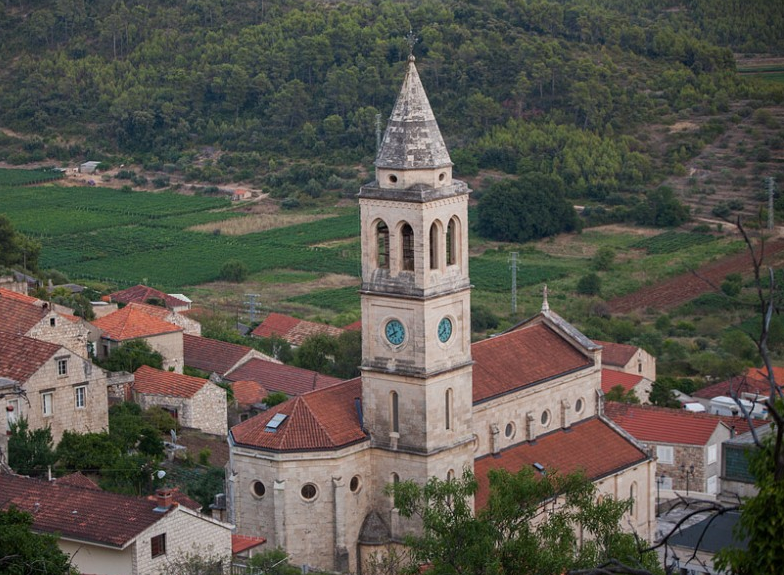
The village of Smokvica spread across the green Korčula hills, the bell-tower of Our Lady of the Snows at its heart Plate IV — Smokvica, in the heart of the island
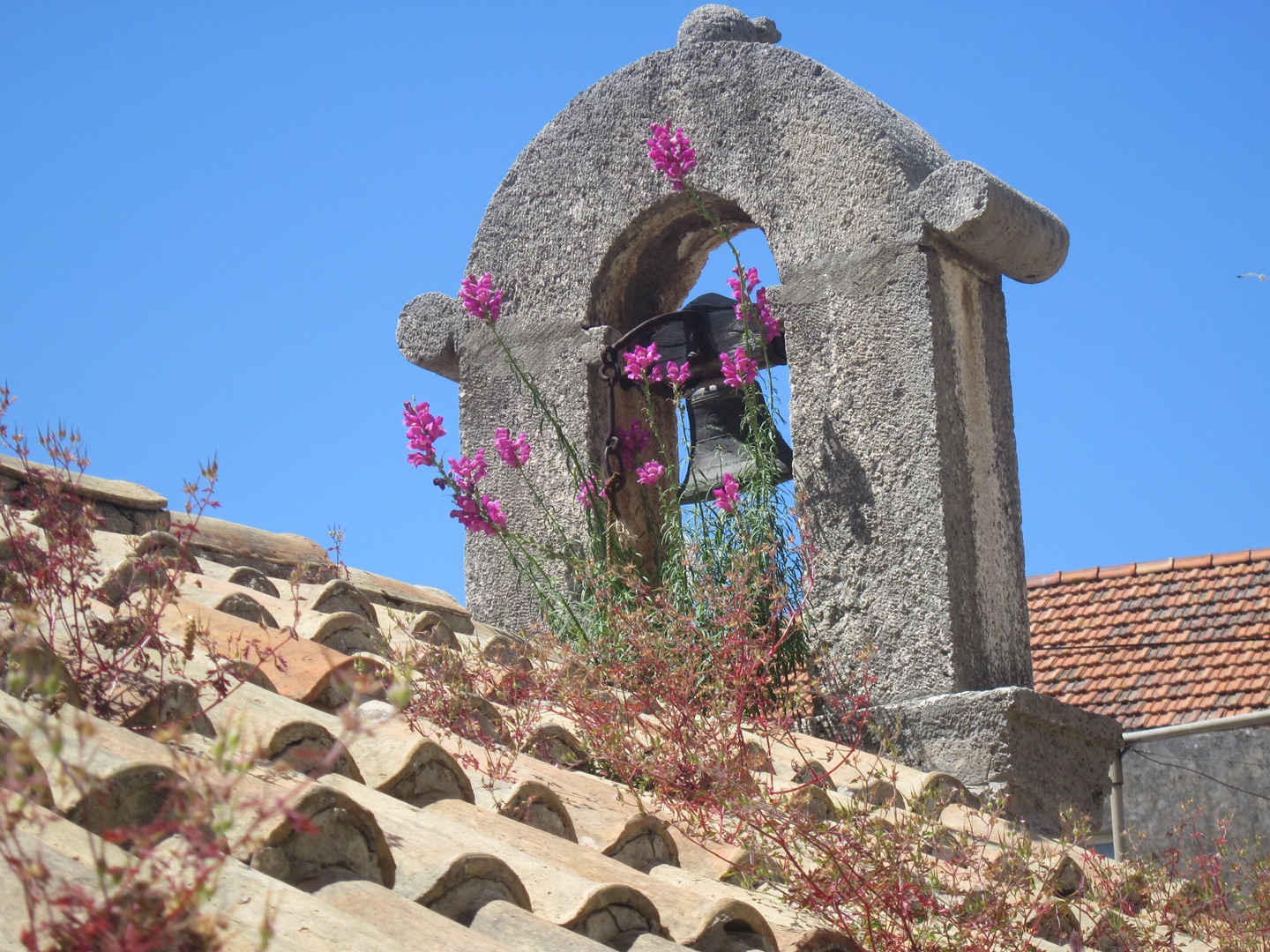
A stone bell-cote with wildflowers against a blue sky
A field chapel at golden hour
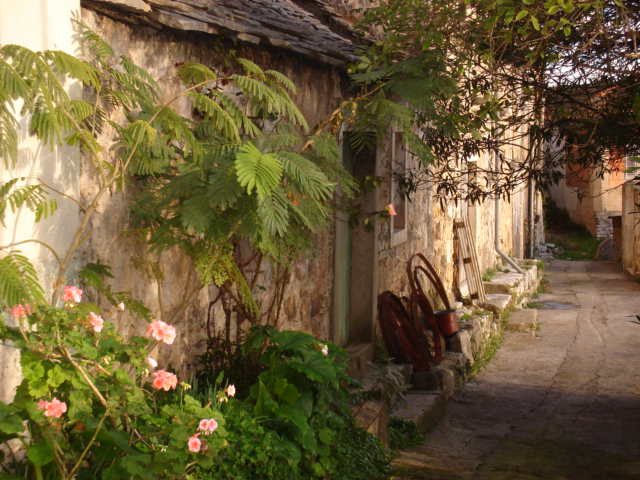
A flower-grown stone back-lane in the village

Article VII — The Visit

Come and taste it. The Dog has set aside his Affairs.

Four steps. About two hours. Five hundred years. Tasting is on the covered stone terrace above the cellar — the documents on the wall behind you, the bell-tower in front, poured by the people whose name and hand are on the paper.

01The Smokvica parish bell-tower above the village

Start at the church

Meet at the Smokvica parish church, in the heart of the village — built inland so the ancestors could hide from pirates. Five centuries of Tomašićs are in its register: procurators, a priest sent to Rome, the cantor who kept the songs.

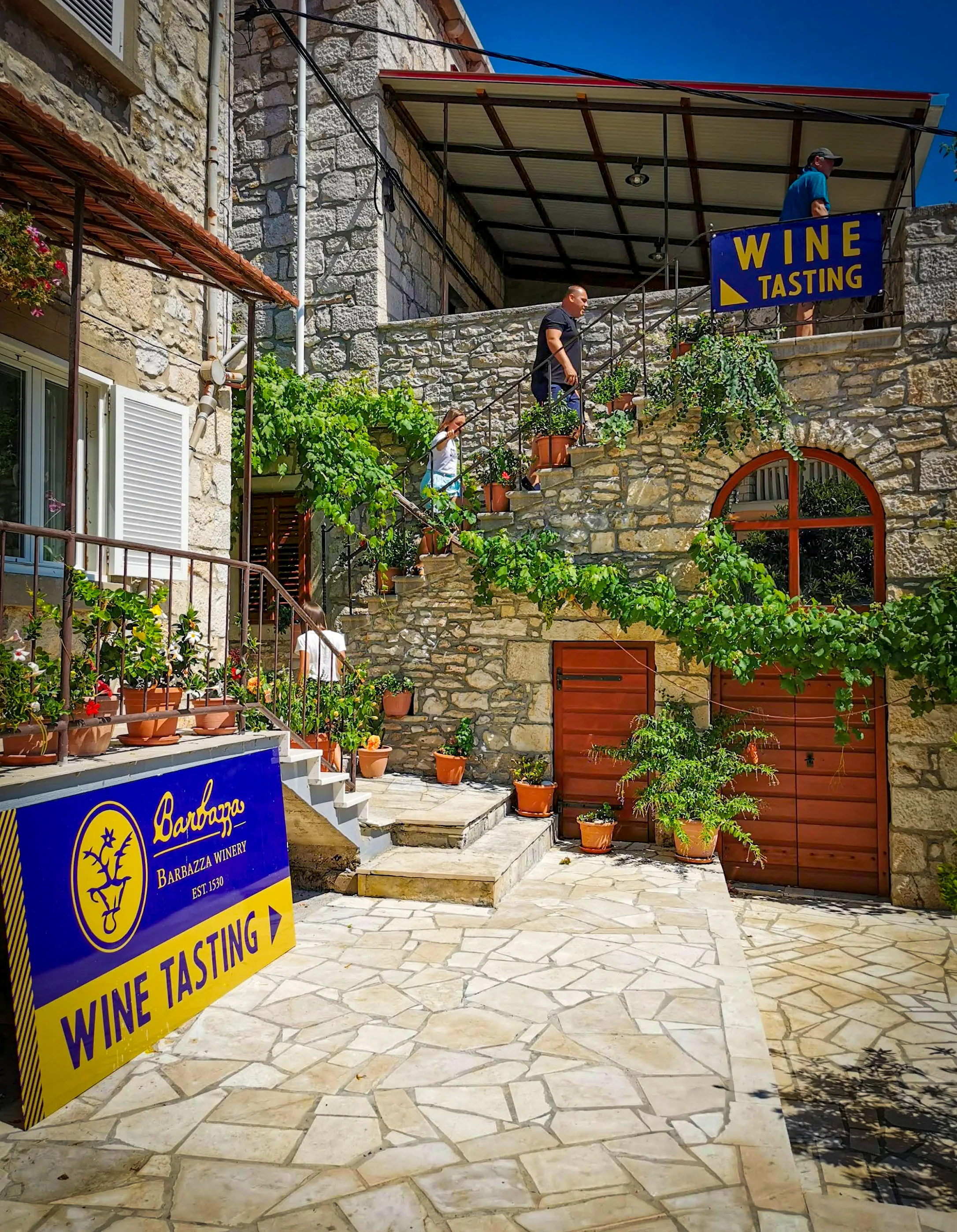
02The external stone staircase climbing to the vine-covered terrace above the cellar

Climb to the terrace

Up the outside stone stairs to the covered terrace above the cellar — honey stone, red doors, vines overhead. The 1530, 1618, 1723 and 1759 documents hang framed on the wall. Read them first.

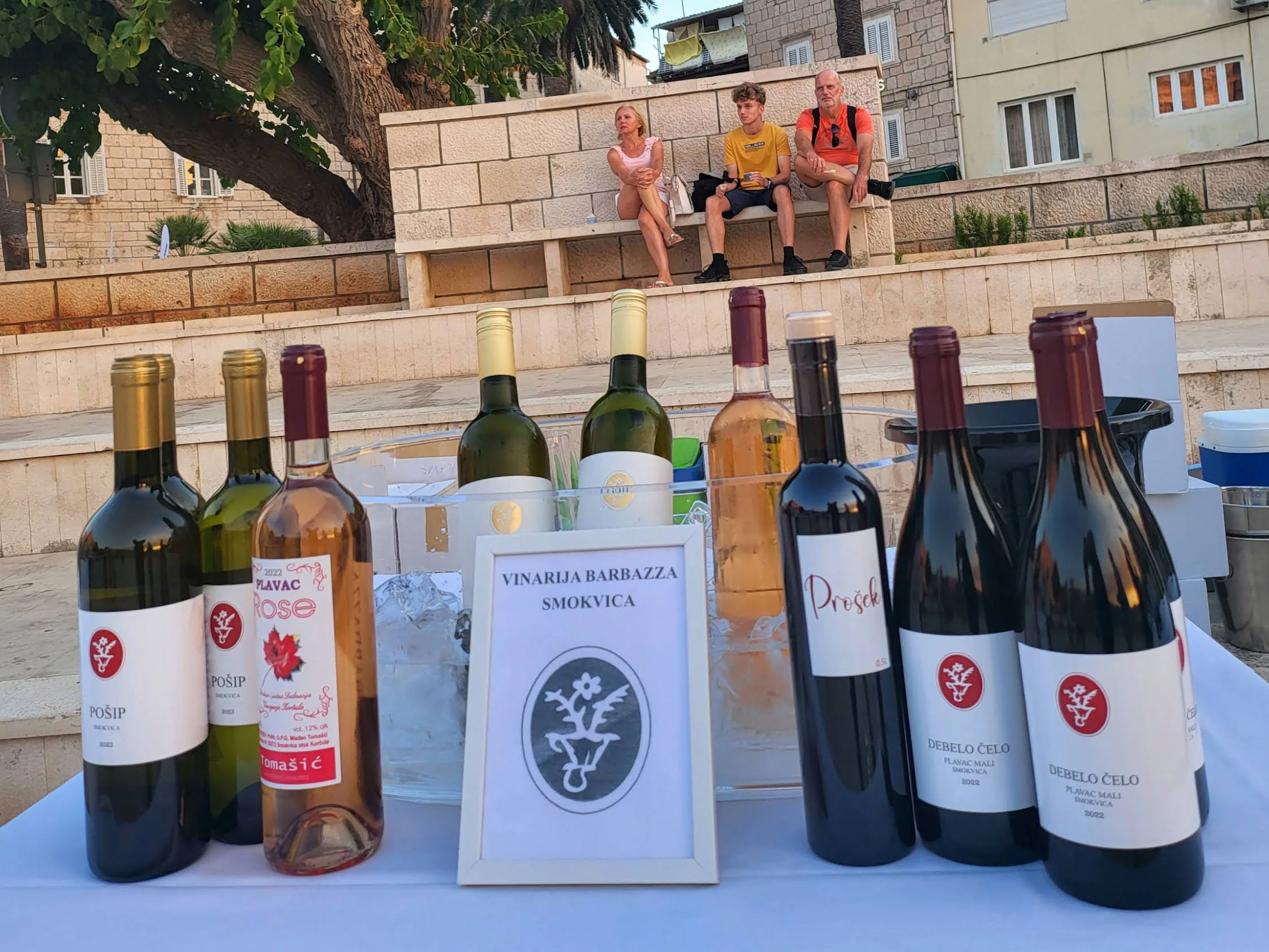
03The Barbazza range on the tasting table — Pošip, Rosé, Prošek and the Debelo Čelo red

Choose your wine

The whole range is on the table: Pošip — the grape we found — the Debelo Čelo red, the Rosé, the Prošek, the olive oil. Take your time.

04A glass of Barbazza red raised against the Smokvica bell-tower, terracotta roofs and green hills behind

Drink it looking at 500 years

A glass of the red, a plate of pršut and Paški sir, and the bell-tower straight ahead. Wine, church, village and your own hand in one frame. This is the part nobody can sell you anywhere else.

By arrangement · +385 98 177 6181 (Mladen)

Article VIII — Leave word

Add your line to the register. We read every letter.

A question, a booking, a correction to five hundred years of paperwork — write it here. It reaches the family directly.

I'm writing about

Sent straight to the family — we reply to the email you leave.